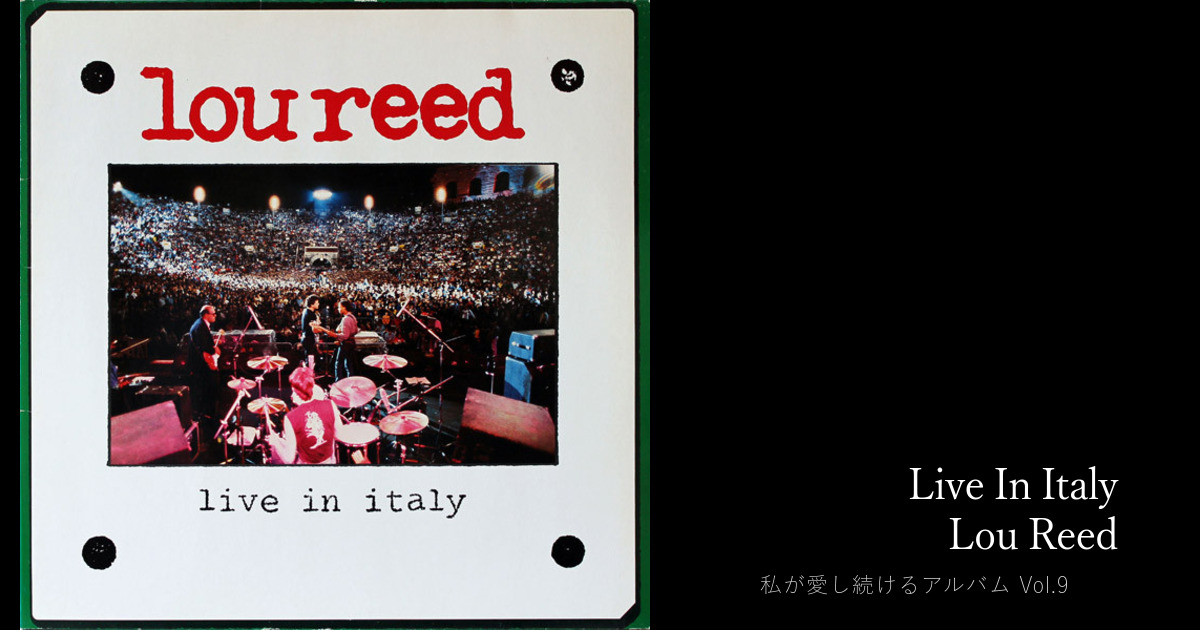
Lou Reed『Live In Italy』〜変わらぬ「無人島の1枚」 — Tetsuya Takeda
「無人島に1枚だけ持っていくアルバムは?」
古今東西で語られてきたベタな音楽ネタだが、筆者にとってはかれこれ40年以上このアルバムがその1枚である。
ルー・リード、1983年9月のイタリアでのライブ盤。4ピースのシンプルなバンド構成がタイトかつソリッドな演奏を生み、まさにライブ音源ならではの臨場感が味わえる作品となっている。
1983年9月、イタリア — 低迷からの再浮上
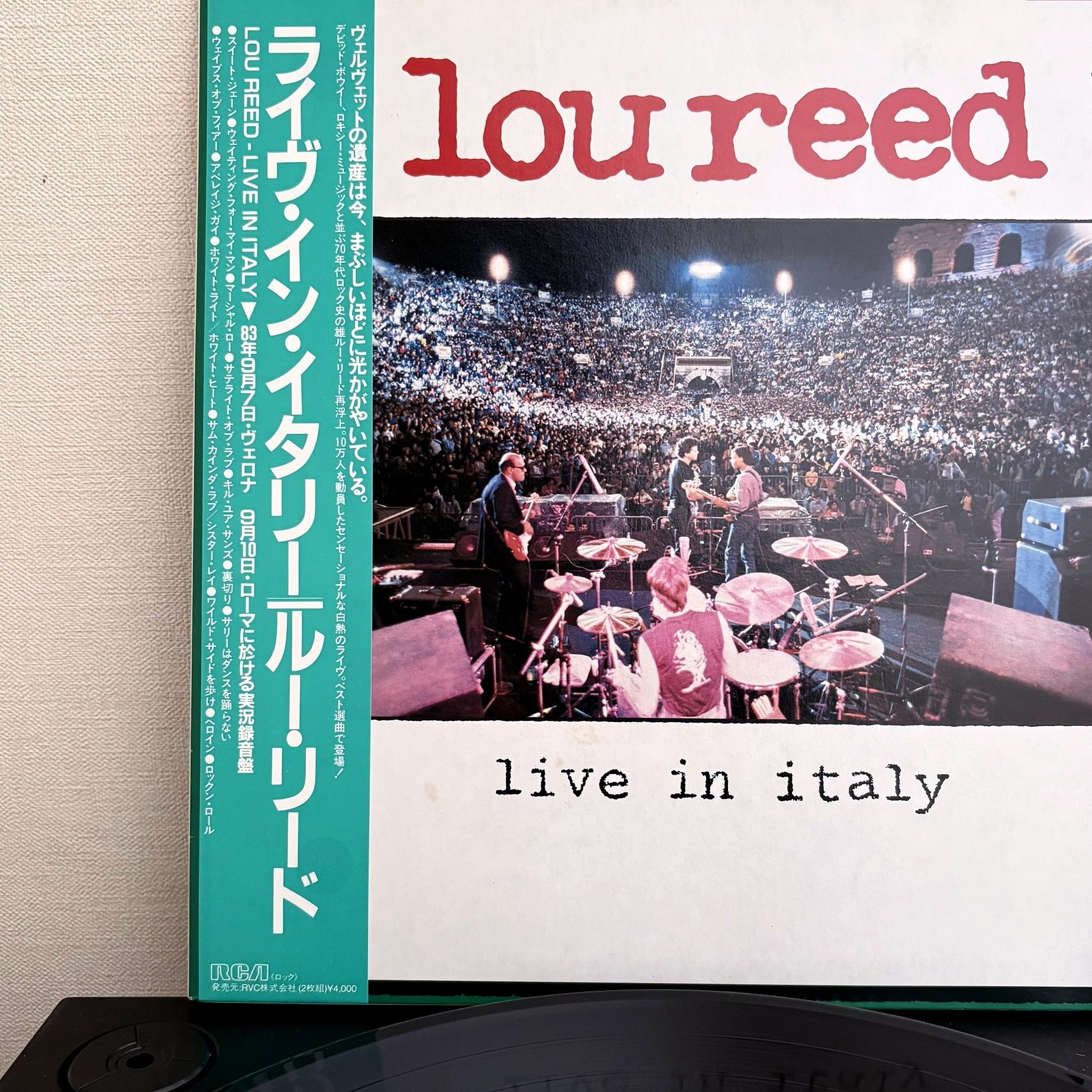
伝説のヴェルヴェットアンダーグラウンドを経て、ソロになってからは「Walk On The Wild Side」のスマッシュヒットもあったが、以降はグラムロック寄りになったり、一般受けしないノイズアルバムを出したり、一時期のルーは少し低迷していたと思う。
その低迷期から再浮上したきっかけとなったのが「The Blue Mask」(1982年)と「Legendary Hearts」(1983年)の録音に参加した元リチャード・ヘル&ヴォイドイズのギタリスト、ロバート・クワインとの出会い。この2枚のスタジオアルバムからはストレートでストロングな音に回帰、その勢いのまま「Legendary Hearts」発売時に行われたツアーでの音源が本作である。
ルー&クワイン、最強の4ピース
バンドメンバーは前述のクワインに加え、ベースにフェルナンド・ソーンダース、ドラムにフレッド・マーというテクニシャンなミュージシャンがバックを固め、このメンバーでの活動は短期間ではあったが、ルー・リード史上最強のライブバンドだったと思う。
特に随所に見られるルーとクワインのギターの絡みが素晴らしく、今では鬼籍に入った2人の演奏が聴けるだけでも音源として世に出してくれた事に感謝しかない。
あと、地味に凄いのがフュージョン畑出身というソーンダースの独特なベースライン。フレットレスベースなのか、うなるようなベースでバンドの演奏をぐいぐい引っ張っていくのが分かる。
鳥肌ポイントのベスト選曲
収録曲はVU時代から当時のソロ作品までベストな選曲。1曲目「Sweet Jane」が始まった時の観客の盛り上がり、「Rock And Roll」の凄まじい疾走感、「Some Kinda Love〜Sister Ray」の破壊的なギターソロ、要所に鳥肌ポイントがあって何度聴いても唸ってしまう。
叶わぬ夢、そして無人島の1枚
筆者はルーの来日公演は4回(1990年、1996年、2000年、2003年)観ているが、本作のバンドメンバーでの演奏を一度でいいから生で観たかった・・と、このライブ盤を聴くたびに叶わぬ事を考えるのである。
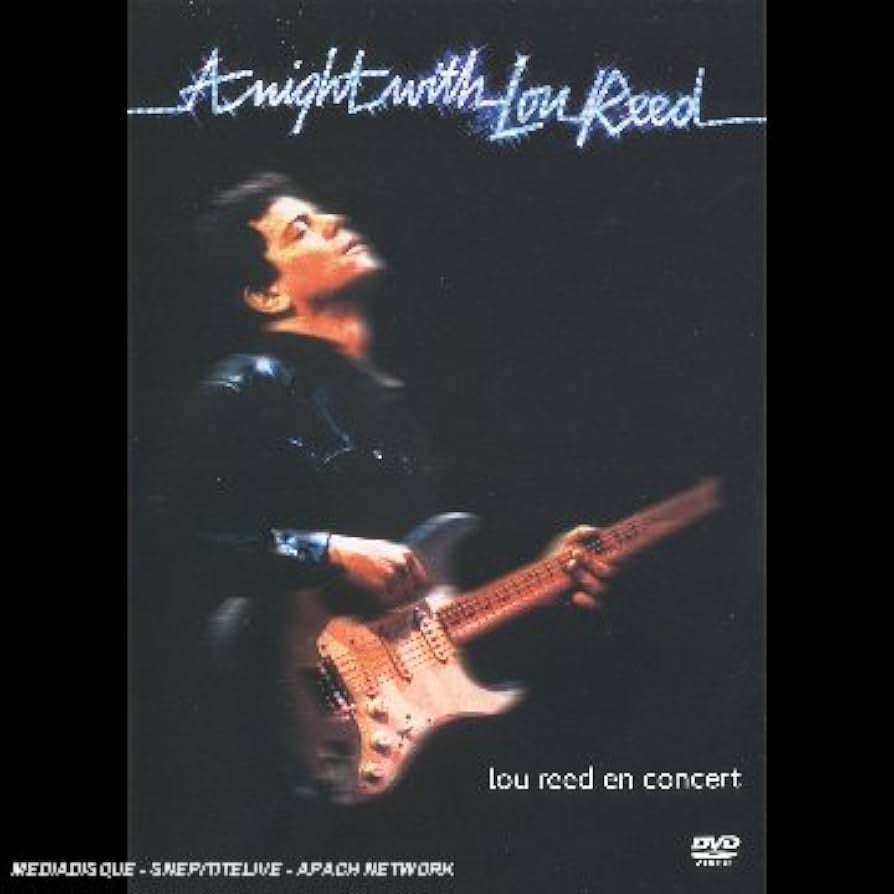
なお、本作の映像ではないが同時期に行われたニューヨークのボトムラインでのライブ映像として「A Night With Lou Reed」が発売されており、こちらもマストバイ。(客席にアンディ・ウォーホールの姿があったりして、時代の空気ごとパックされている)。
40年以上聴いても無人島の1枚が揺らがない。これは1枚のアルバムが人生に与えられる、最大の贈り物なのかもしれない。
編集後記
Tetsuya Takeda さんは、私(ナミオ)が20代の頃からの音楽仲間。あれから数十年、彼は今もライブ会場やコンサートホールに足を運び、音楽生活を楽しみ続けている — 「音楽を生活の真ん中に置いたまま」走り続けている人だ。最近は、なかなか遊んでくれないが。
原稿の冒頭「40年以上このアルバムが無人島の1枚」という一文を読んだ瞬間、思わず頷いてしまった。世代はほぼ同じ。ヴェルヴェットアンダーグラウンドからソロへと移ろうルーの歩みを、当時のレコード屋の棚の前でリアルタイムに追いかけた世代の、共通感覚がそこにある。
特に響いたのが、ルーとロバート・クワインのギターの絡みを「素晴らしい」と言い切る視点、フェルナンド・ソーンダースの「フレットレスベースなのか、うなるような」という音の記述。こういう「音そのもの」を語れる言葉は、何百回も針を落とし、裏面のクレジットを何時間も眺めた人にしか書けない。
今となっては、確かにこの音源が残ってくれたことへの感謝しかない — Takeda さんの最後の一言に、深く頷いてしまう。

書き手
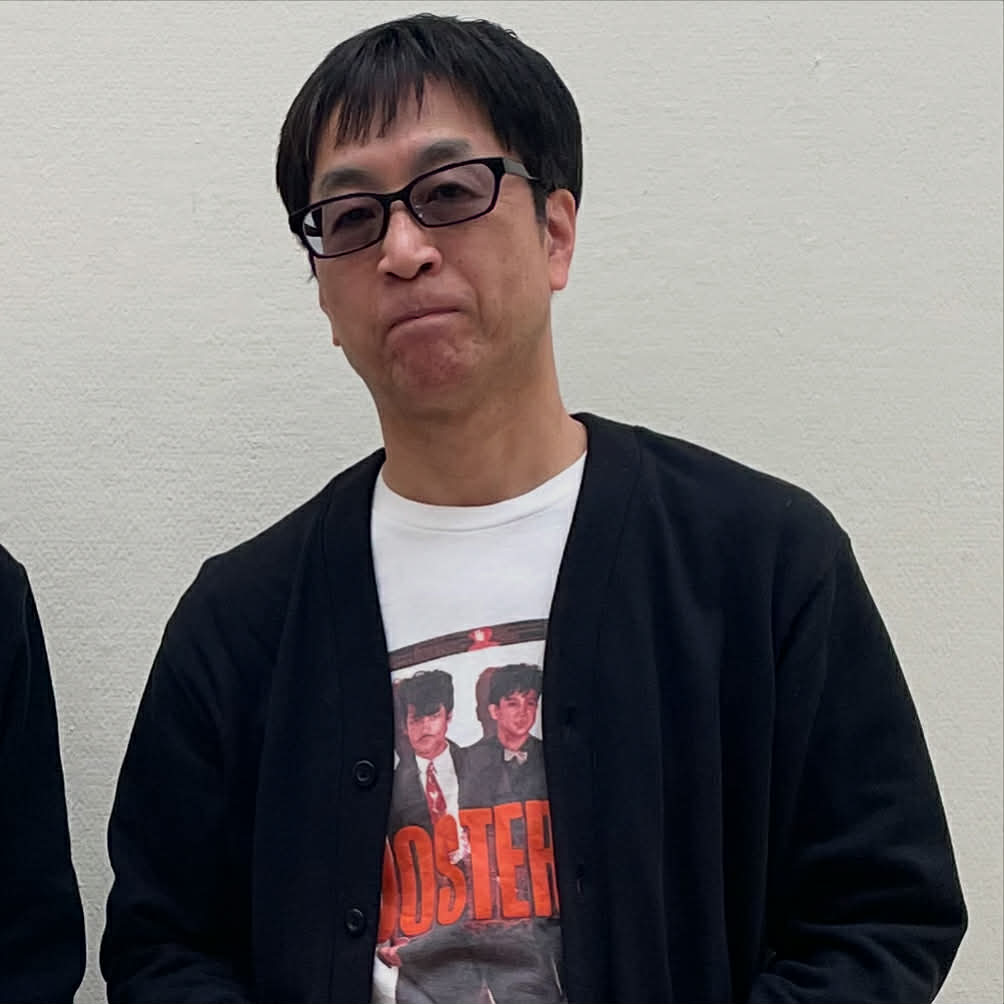

Lou Reed
ルー・リード(Lou Reed, 1942年3月2日 - 2013年10月27日)は、アメリカのミュージシャン。ニューヨーク州ブルックリン出身のユダヤ系アメリカ人である。シラキ…
アーティストページを見る同アーティストの他のアルバム


Album Sweet コラム
71才の人生で一番好きだったアーティストは、やっぱりジミヘン - Kenji Fukuoka
どんなバンドでも代替がきくのに、Steely Dan だけは唯一無二 - Mikiya Kato
私が愛し続けるアルバム — 『新・鈴懸の径』鈴木章治&リズムエース - Hidetoshi Takada
練馬の夜、酒とスティング — Masayuki Hamaoka
ブーツィの「ンペッ、ンペッ」に踊り狂った日 — Katsuhiko Sakaguchi
洋楽への扉を開いてくれたアルバム — Masato Ikegawa
アルバムジャケットは人生の圧縮ファイル — Mitsuhiro Nakano
一生、マイケルエンザでいい — Waka Agata
読んでいますLou Reed『Live In Italy』〜変わらぬ「無人島の1枚」 — Tetsuya Takeda
Yes『Close to the Edge』〜天井のロジャー・ディーンと畳二畳の夜 — Bobby (得能さとる)
アビーロードの 3 日後に生まれた僕と、Let It Be — Masayuki Hamaoka
「松山のギターマスターが、70 年聴き続けている一枚」 — Fumio Takeichi
ヤバい世界に 50 年、Queen II — Yoko Sugihara
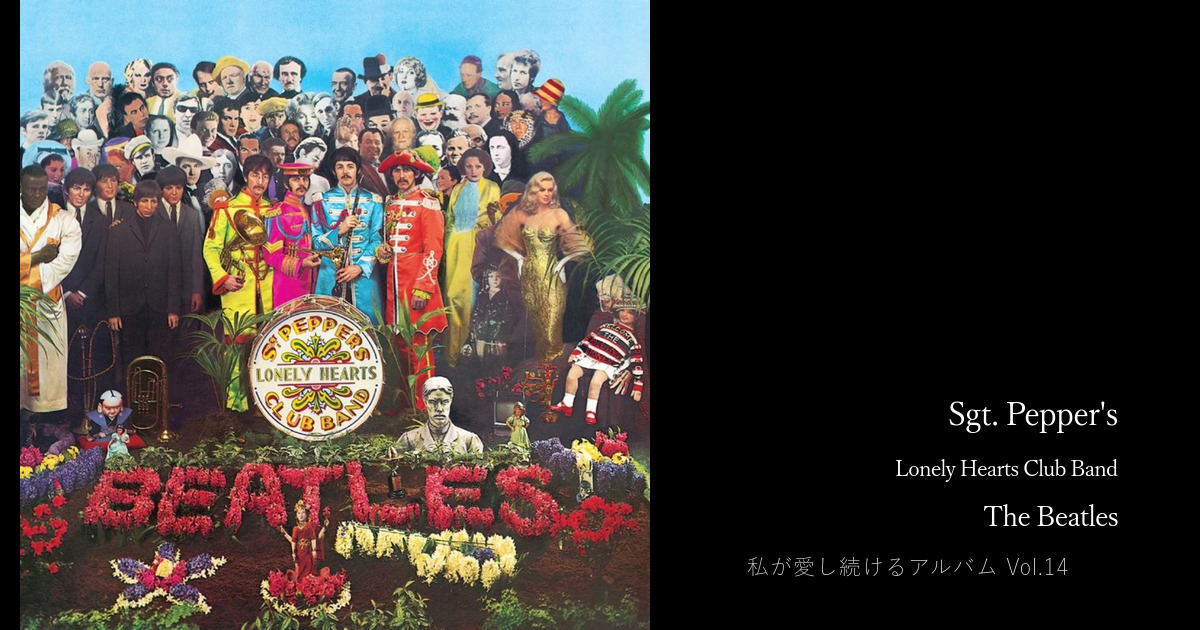
僕が買った 3 枚の Sgt. Pepper's Lonely Hearts Club Band — Masumi Usui
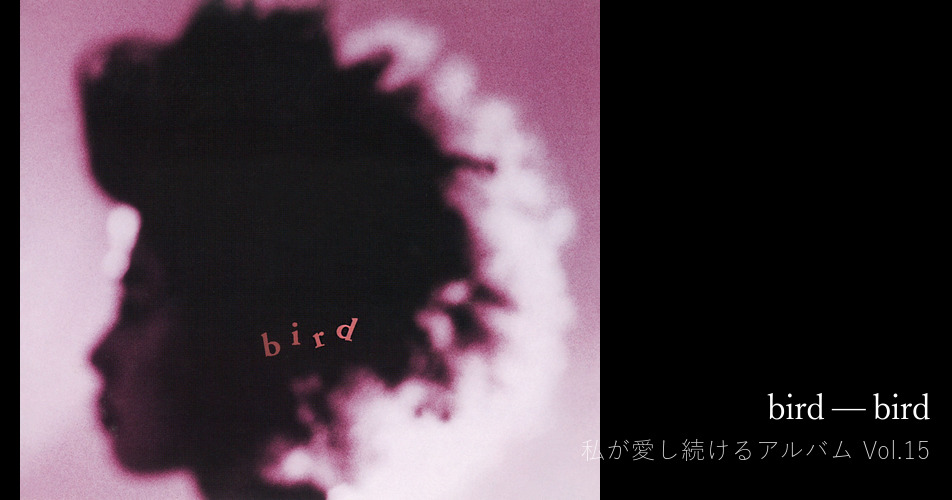
14歳の私に大人っぽさを教えてくれたbird『bird』 — Koutaro Kai
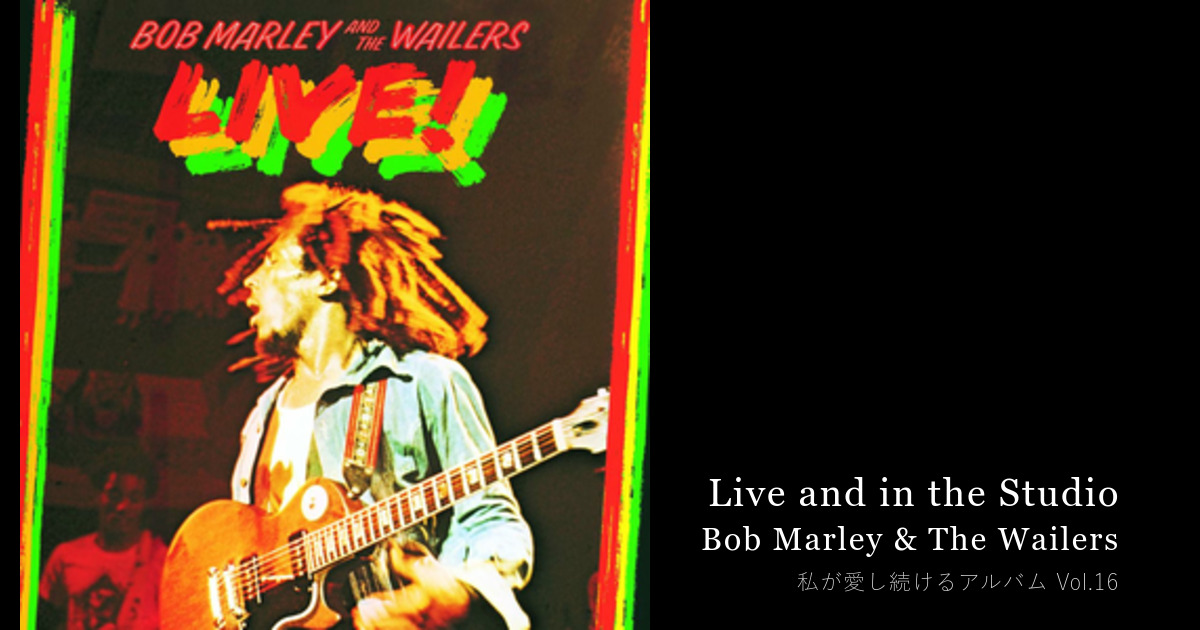
ジンとくる。ジワッとくる。——Bob Marley & The Wailers との出会い — Kazuo Nara
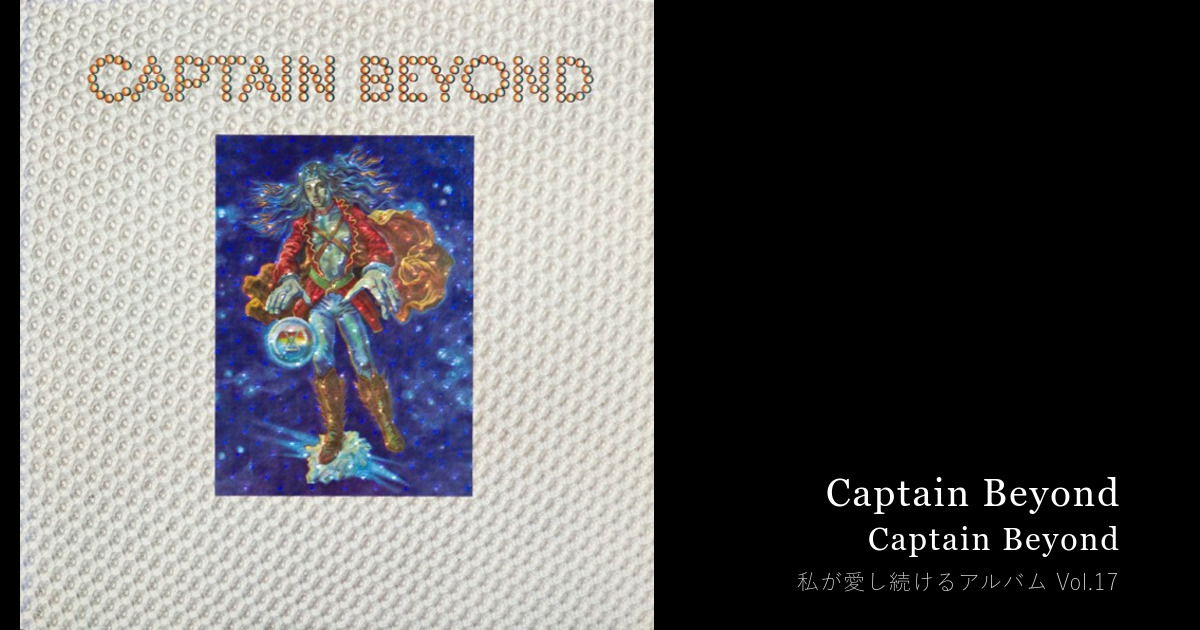
少年期に焼きついた、特別の一枚 — Captain Beyond《Captain Beyond》 — Kouji Shigematsu
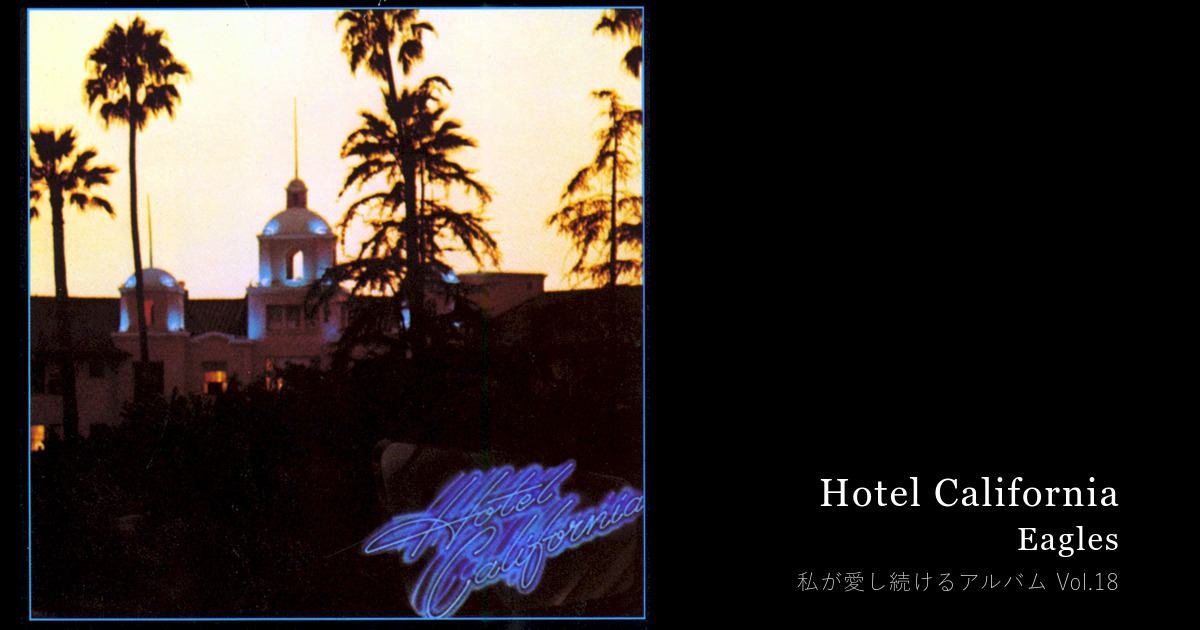
兄のレコードに針を落とした夜、初めて知った『大人の音楽』 — Hotel California — Hiroshi Kozai
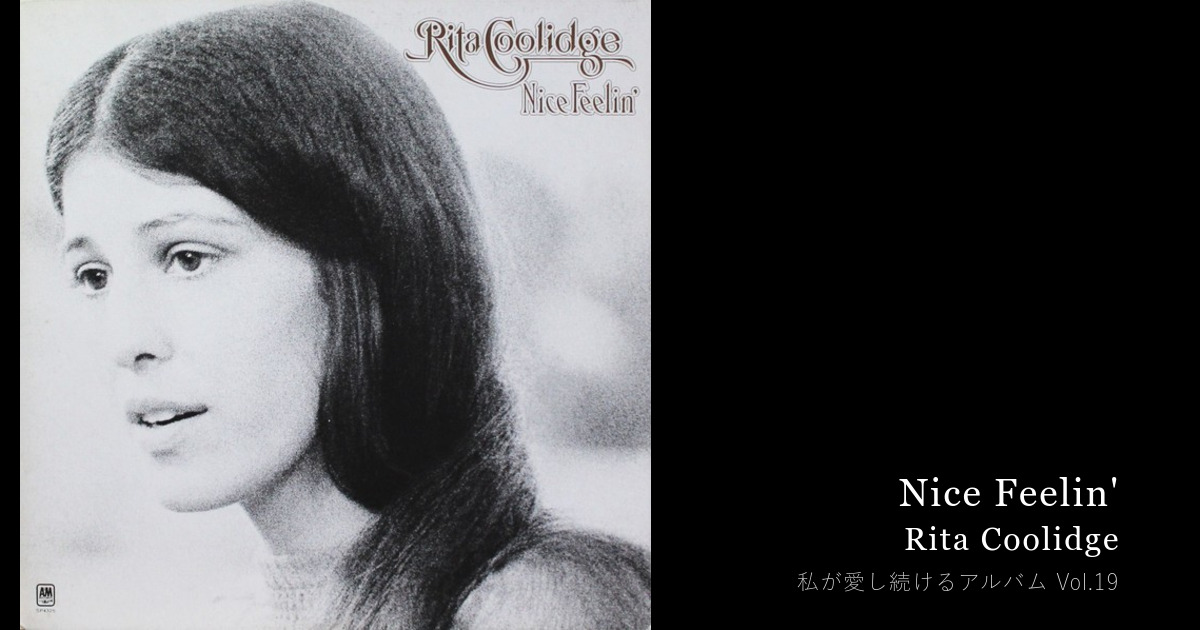
珠玉のポップ・ヴォーカルをあなたにも — Nice Feelin’《Rita Coolidge》 — Makoto Kato

段ボール数箱の整理で、手放さなかった一枚 — Without a Net《Grateful Dead》 — Takuya Miyazaki

思い出のLPレコード — Help!《The Beatles》 — Kazuhiro Miura
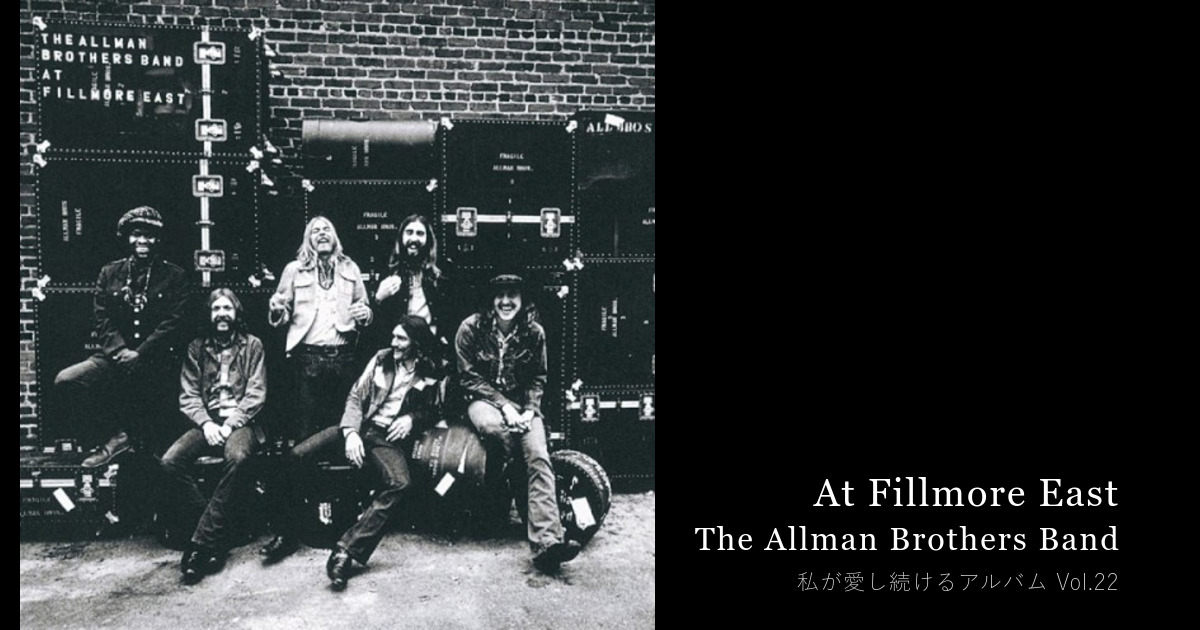
ぼちぼちいこか。でも At Fillmore East だけは、今も特別や — Yoshihiro Sasaki
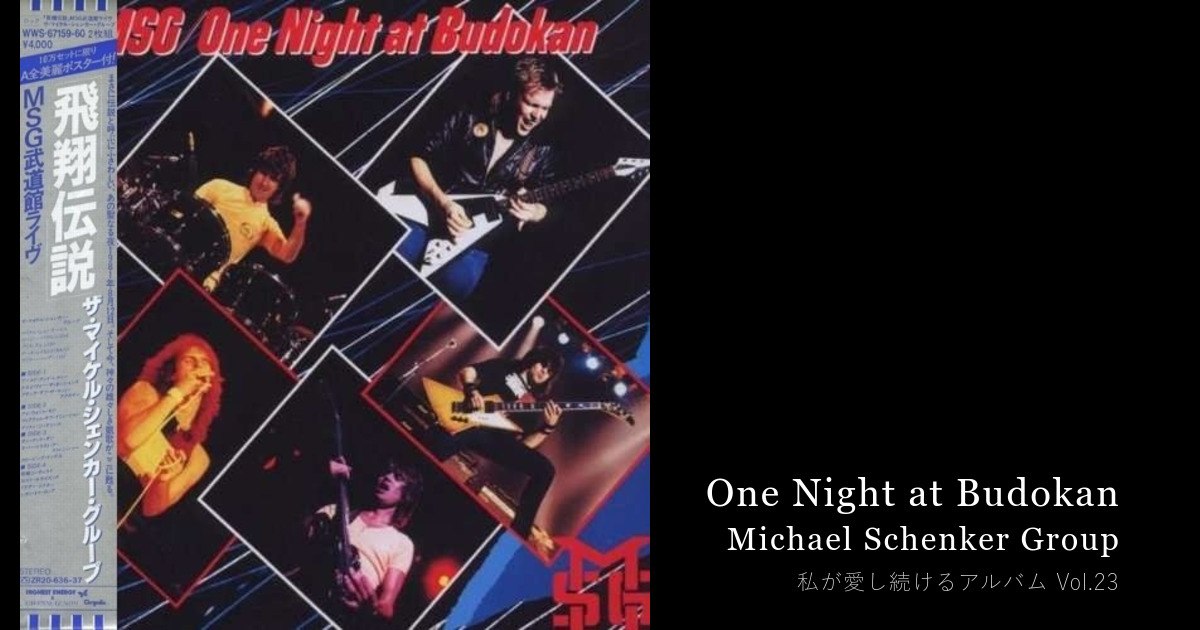
1981年8月の武道館は、今もあのアルバムの中にある — One Night at Budokan《Michael Schenker Group》 — Shinichi Karube