洋楽への扉を開いてくれたアルバム — Masato Ikegawa
目次
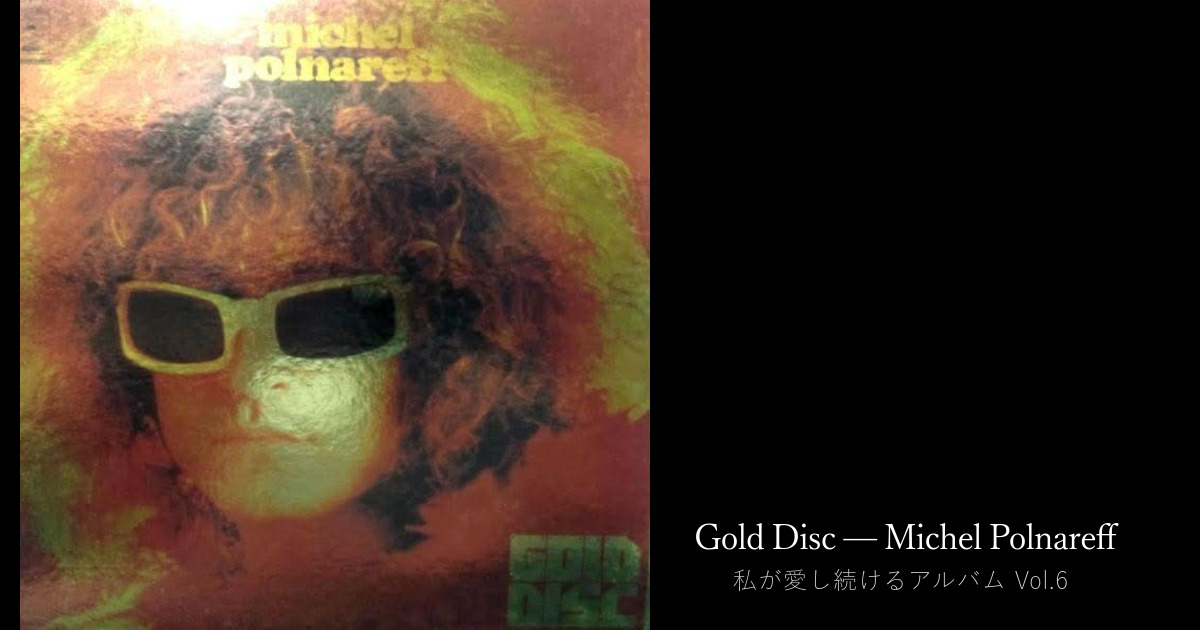
洋楽への扉を開いてくれたアルバム — Michel Polnareff『Gold Disc』。
シェリーに口づけで一発ノックアウト
恐らく我が人生で一番聞いたであろうアルバム、洋楽への扉を開いてくれた生涯の大切なアルバムです。Michel Polnareff との出会いは中学生の頃偶然AMラジオから流れてきた「シェリーに口づけ」、何ともキャッチーで歌謡曲とはまるっきり違うテイストに一発でノックアウト、軽快なメロディと伸びやかなファルセットと絶妙なハーモニー!そして初めて買ったLPがこのベスト盤でした。
オカンのカツラでポルナレフのコスプレ
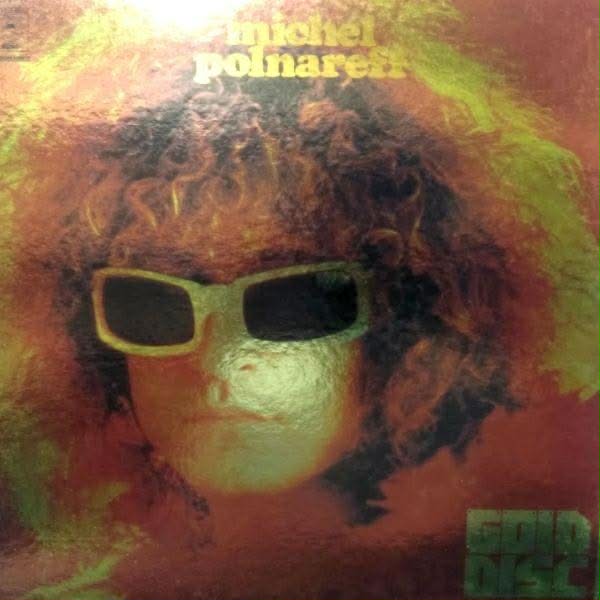
キンキラのゴールドに輝くジャケットにあのカーリーヘアーに白プチサングラスの中性的でサイケなルックスにもノックアウト、当時中坊で坊主頭でしたが、オカンのカツラとサングラスでポルナレフのコスプレした事は言うまでもありません。
クラシック挫折、ビートニクの放浪
その後、ライナーノーツや雑誌の記事等でポルナレフの事を色々知り、プレスリー、ビートルズ等のロックやジャズに影響を受けクラシックのコンサートピアニストを挫折、パリの名門音楽大学「コンセルバトワール・パリ音楽院」をドロップアウトしビートニクに影響を受け、ヨーロッパ中を放浪、その後プロデビューした事。
「ノンノン人形」にはペイジとジョーンズが
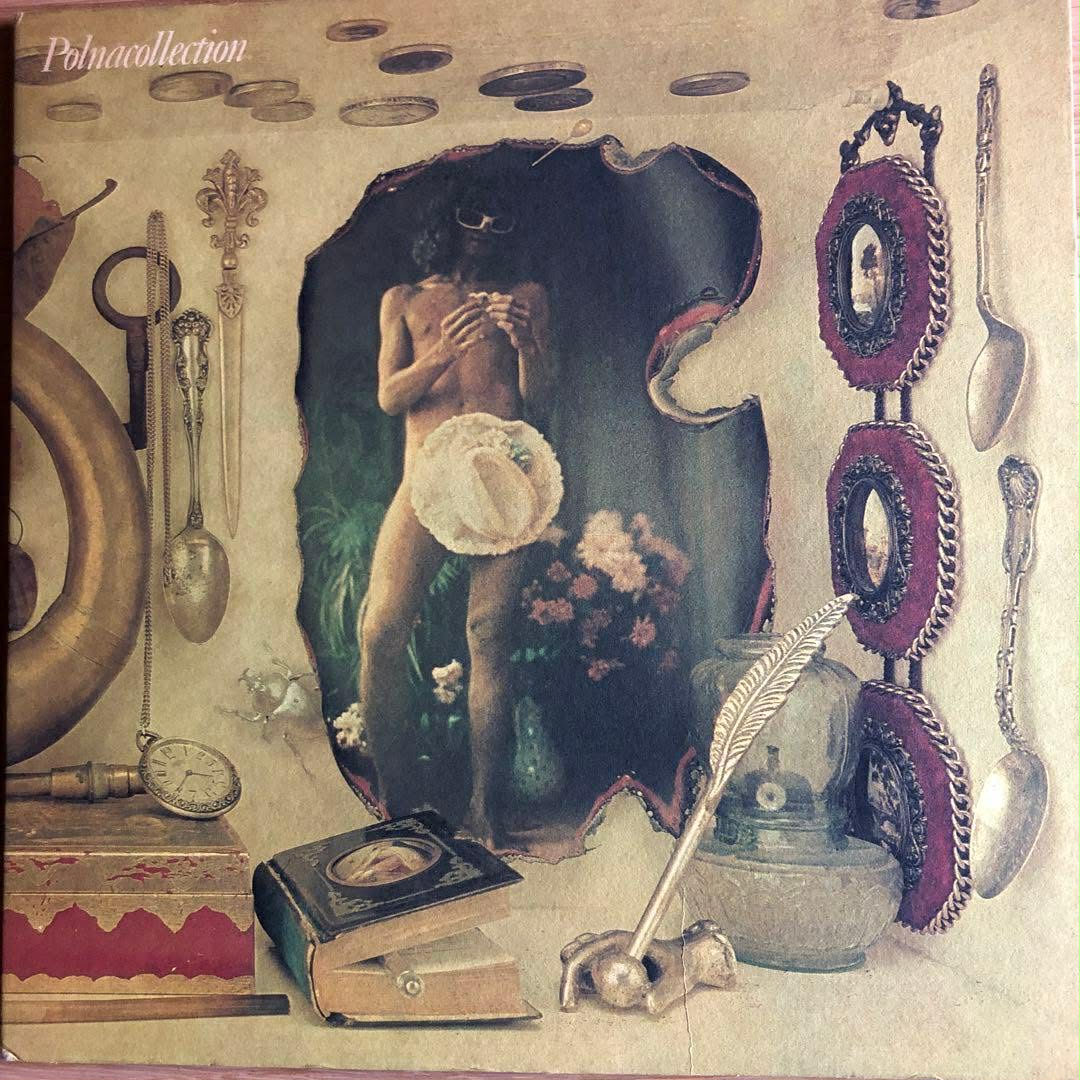
その際のデビュー曲「ノンノン人形」には何とゼッペリンのジミーペイジやジョン・ポール・ジョーンズが参加している事(後々あのロン・ウッド在籍のthe birds もカヴァー)、お尻丸出しの写真やチンチンに帽子を被せた衝撃的なアルバムカバー発表で物議を醸し出す等、などエキセントリックな行動にも強く惹かれて行ったのでした。勿論音楽的にもその後の自分の音楽嗜好に関わる強い影響をポルナレフから受けて行きました。
love me please love me とレイ・チャールズの影
ポルナレフの曲で一番好きな love me please love me(邦題は愛の願い)は曲の構成、メロディ等がレイ・チャールズの「我が心のジョージア」にかなり似ており、今思うと後々ソウルやブルーズにのめり込むきっかけになたようにも感じる。
人間トランペットという必殺技
このアルバムの曲で「コンピュータの夢」と言うポルナレフの得意技、人間トランペット(スキャットでトランペットそっくりな声色を出す必殺技)を駆使した曲があるが、そのものずばりの「トランペット」と言う曲も他のアルバムにありこちらはガーシュインの「サマータイム」を人間トランペットで披露している。
映画音楽、そしてゲインズブールへ
また、その類い稀なる音楽センスと元々のクラシックの素養もあり多くの映画音楽も手掛けている。ヘミングウェイの孫娘、マーゴ・ヘミングウェイ主演の「リップスティック」やマルチェロ・マストロヤンニ、カトリーヌ・ドヌーブ主演の「哀しみの終わるとき」など数多くの作品を残している。フランス映画に惹かれ、後々ゲインズブールに辿り着くのも元々はポルナレフの影響かもしれません。
洋楽はポルナレフ、邦楽は吉田拓郎
そして最後、ややこじつけになりますが、「哀しみの終わるとき」の日本語カバーを歌っていたのが西郷輝彦で、その西郷輝彦と鹿児島の小学校で同級生だったのがかの吉田拓郎。初めて洋楽で夢中になったのがポルナレフで、初めて邦楽のアーティストで夢中になったのが吉田拓郎でした。と言う事で、またもし機会があれば album sweet で吉田拓郎が今日の池川正人に与えた偉大なる影響を語ってみたいと思います。それでは!
編集後記
池川正人さんは、私(ナミオ)が20代の頃に松山で通っていたレンタルレコード店の「雇われBOSS」だった。壁一面のLPを、裏ジャケのクレジット面まで飽きずに読み込んでいた日々が、Album Sweet の原点にある。その場所を仕切っていたのが池川さんだ。
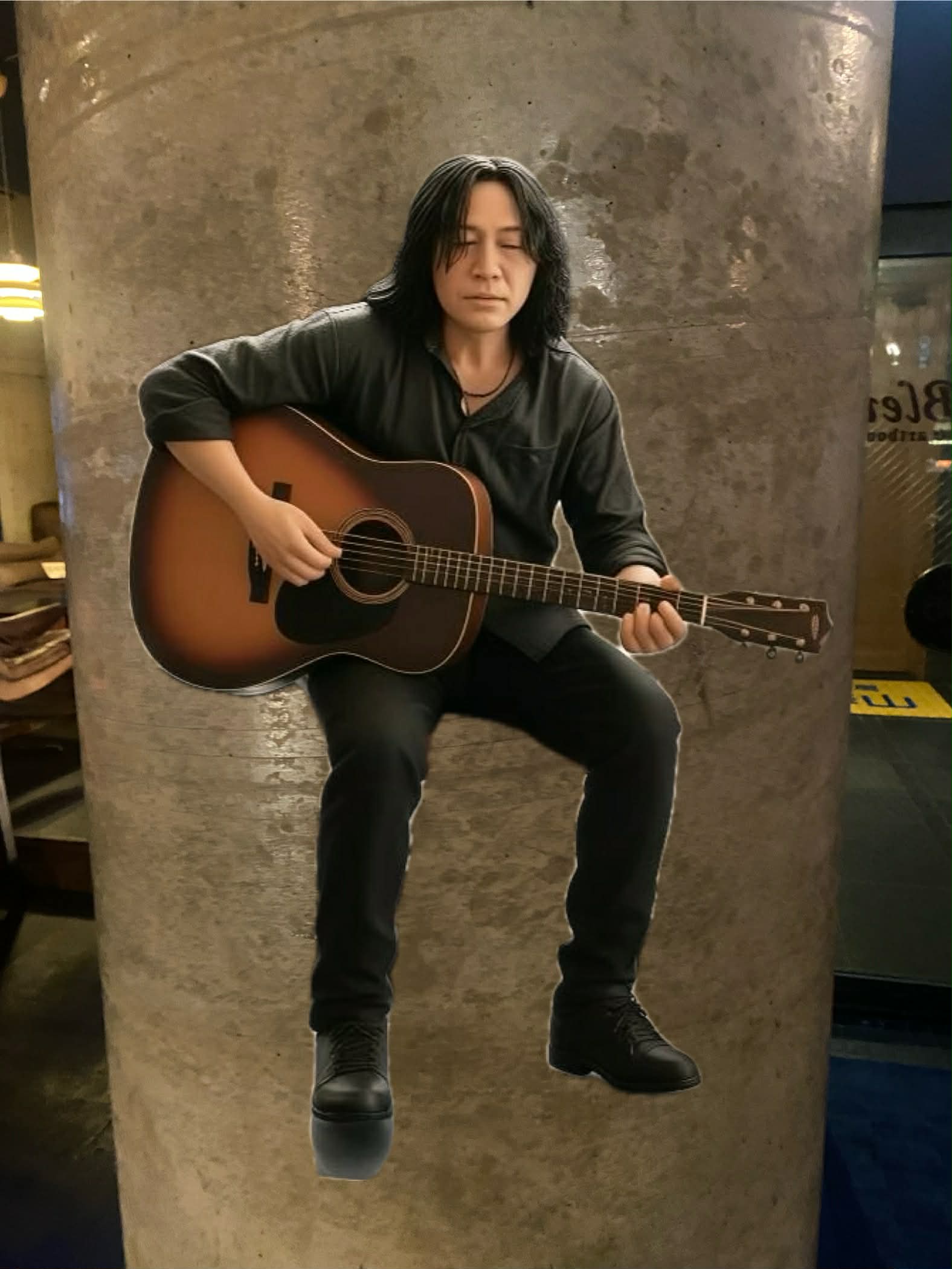
50歳で脱サラして松山に開業したCafé Bleuは、今では来松アーティストが必ず寄っていくカフェになった。帰郷するたびに顔を出すと、店主はあの頃と変わらず音楽の話になると目を輝かせる。ポルナレフの「オカンのカツラとサングラスでコスプレ」の話は、池川さんが語るとより鮮やかだ。
初めて洋楽で夢中になったのがポルナレフ、初めて邦楽で夢中になったのが吉田拓郎 — この並びには、音楽を聴く人が誰しも持つ「はじまり」の重みがある。次回予告の拓郎編が、今から楽しみでならない。
※ 『Gold Disc』Michel Polnareff は、現在 Album Sweet にアルバム情報がございません。Michel Polnareff の作品としては、下記『Polnareff’s』(1971) をご紹介いたします。

書き手

同アーティストの他のアルバム


Album Sweet コラム
71才の人生で一番好きだったアーティストは、やっぱりジミヘン - Kenji Fukuoka
どんなバンドでも代替がきくのに、Steely Dan だけは唯一無二 - Mikiya Kato
私が愛し続けるアルバム — 『新・鈴懸の径』鈴木章治&リズムエース - Hidetoshi Takada
練馬の夜、酒とスティング — Masayuki Hamaoka
ブーツィの「ンペッ、ンペッ」に踊り狂った日 — Katsuhiko Sakaguchi
読んでいます洋楽への扉を開いてくれたアルバム — Masato Ikegawa
アルバムジャケットは人生の圧縮ファイル — Mitsuhiro Nakano
一生、マイケルエンザでいい — Waka Agata
Lou Reed『Live In Italy』〜変わらぬ「無人島の1枚」 — Tetsuya Takeda
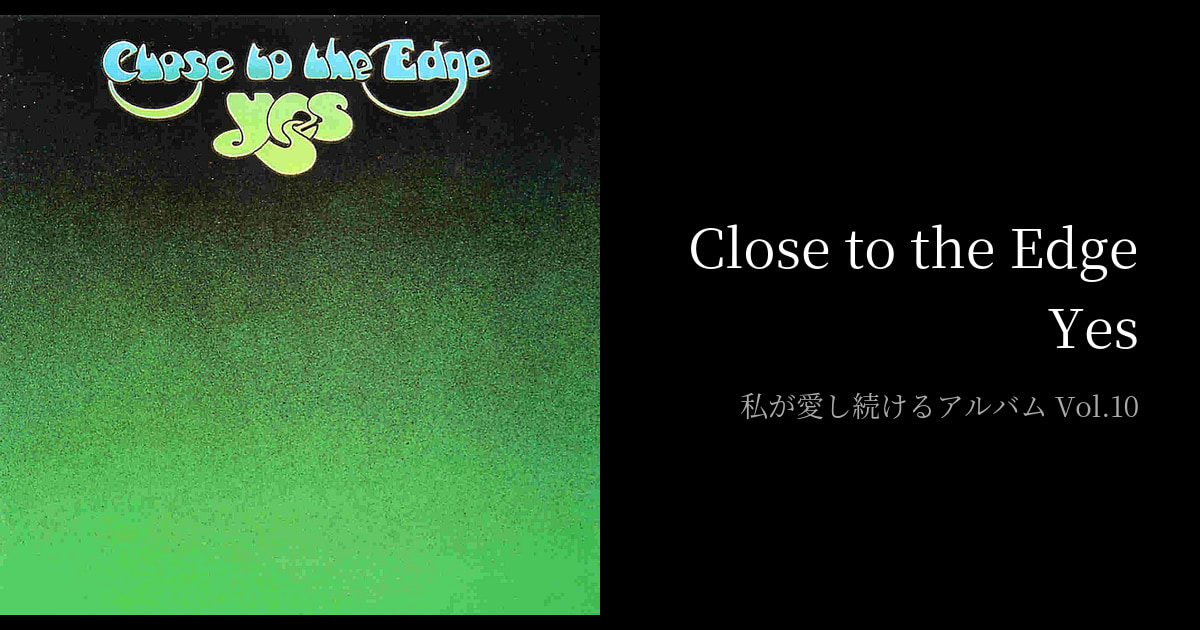
Yes『Close to the Edge』〜天井のロジャー・ディーンと畳二畳の夜 — Bobby (得能さとる)
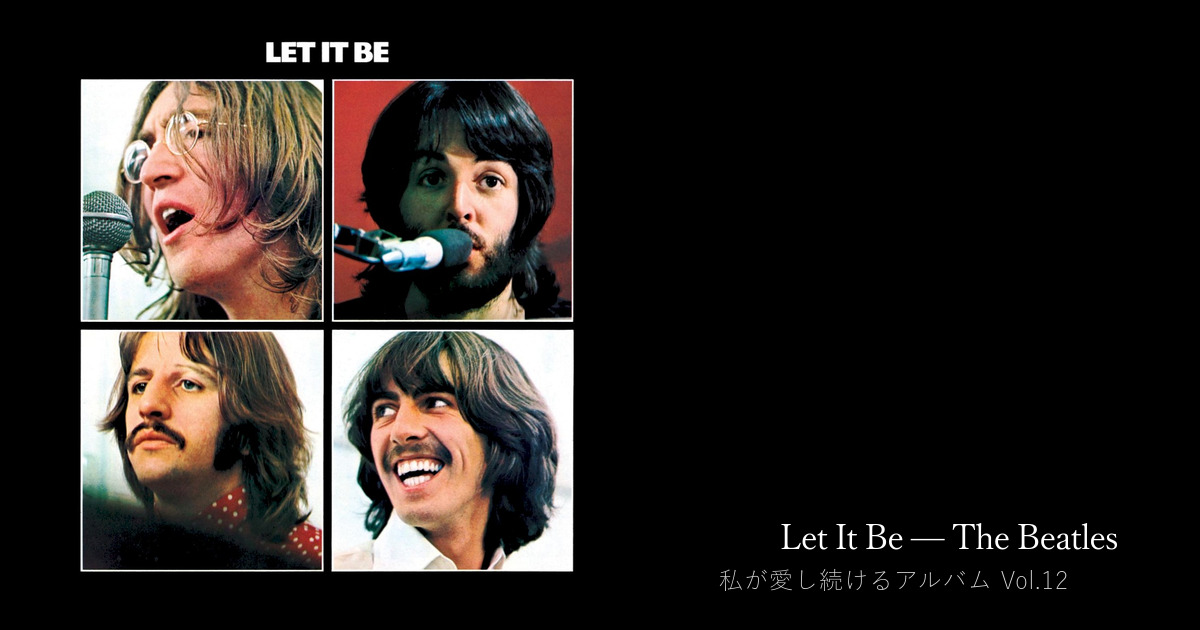
アビーロードの 3 日後に生まれた僕と、Let It Be — Masayuki Hamaoka
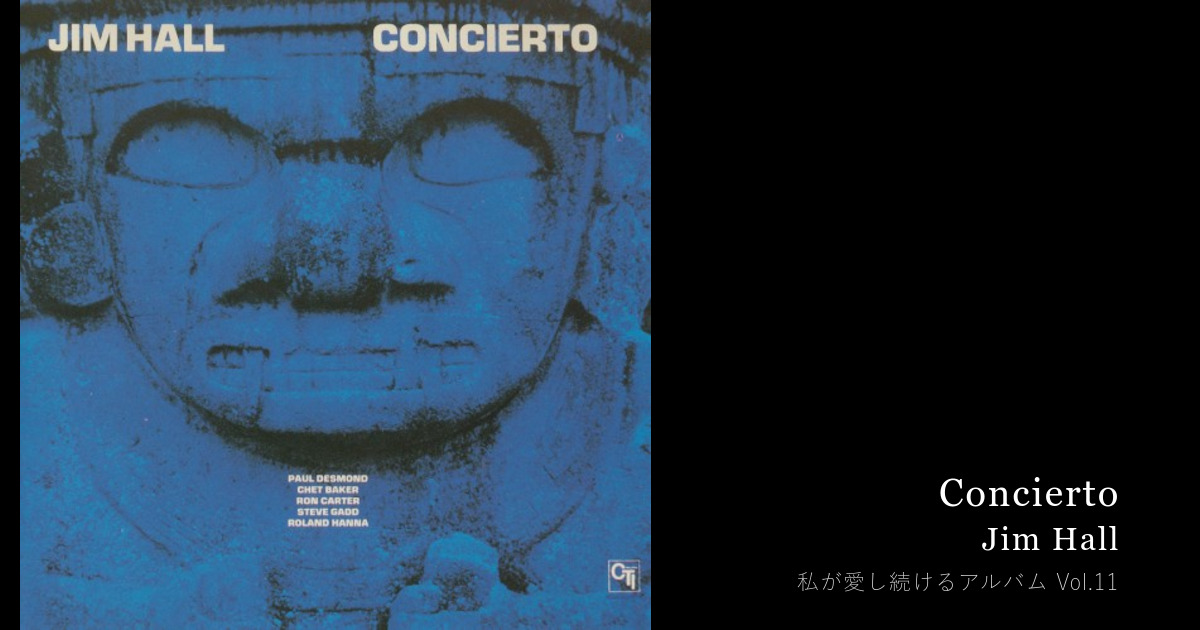
「松山のギターマスターが、70 年聴き続けている一枚」 — Fumio Takeichi
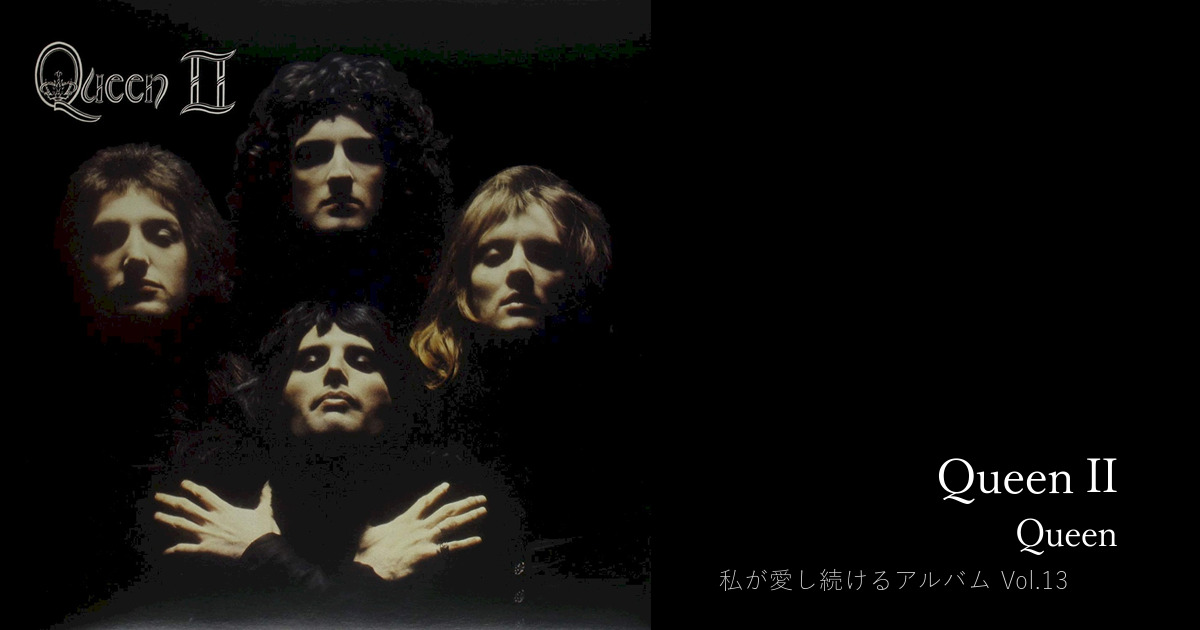
ヤバい世界に 50 年、Queen II — Yoko Sugihara
僕が買った 3 枚の Sgt. Pepper's Lonely Hearts Club Band — Masumi Usui
14歳の私に大人っぽさを教えてくれたbird『bird』 — Koutaro Kai

ジンとくる。ジワッとくる。——Bob Marley & The Wailers との出会い — Kazuo Nara
少年期に焼きついた、特別の一枚 — Captain Beyond《Captain Beyond》 — Kouji Shigematsu
兄のレコードに針を落とした夜、初めて知った『大人の音楽』 — Hotel California — Hiroshi Kozai
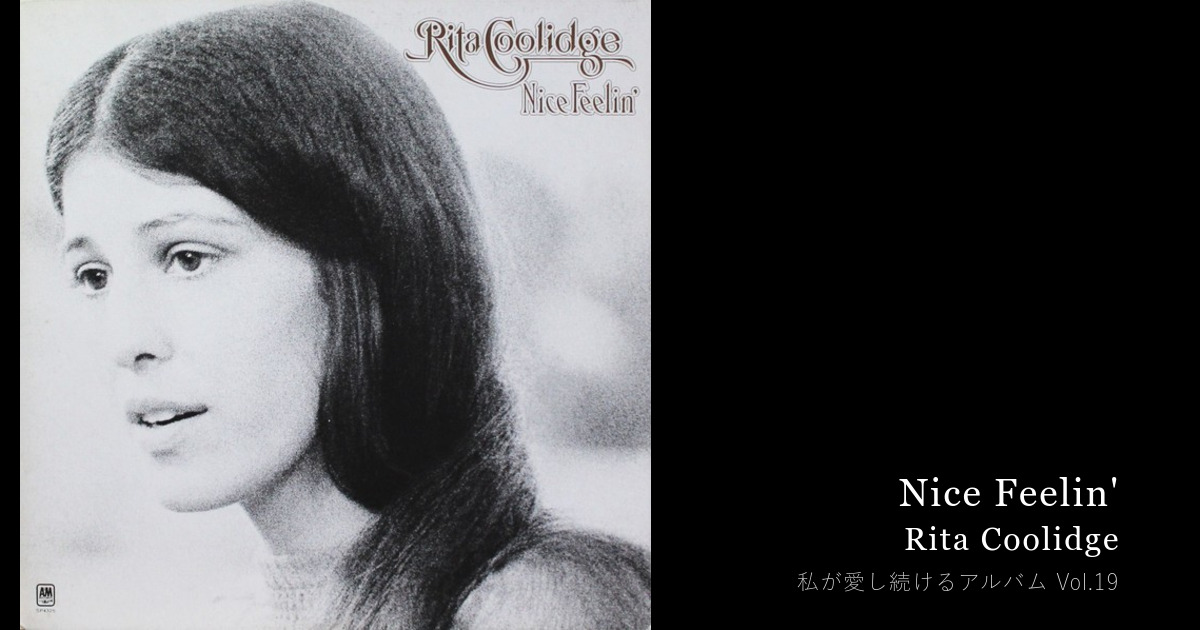
珠玉のポップ・ヴォーカルをあなたにも — Nice Feelin’《Rita Coolidge》 — Makoto Kato

段ボール数箱の整理で、手放さなかった一枚 — Without a Net《Grateful Dead》 — Takuya Miyazaki

思い出のLPレコード — Help!《The Beatles》 — Kazuhiro Miura
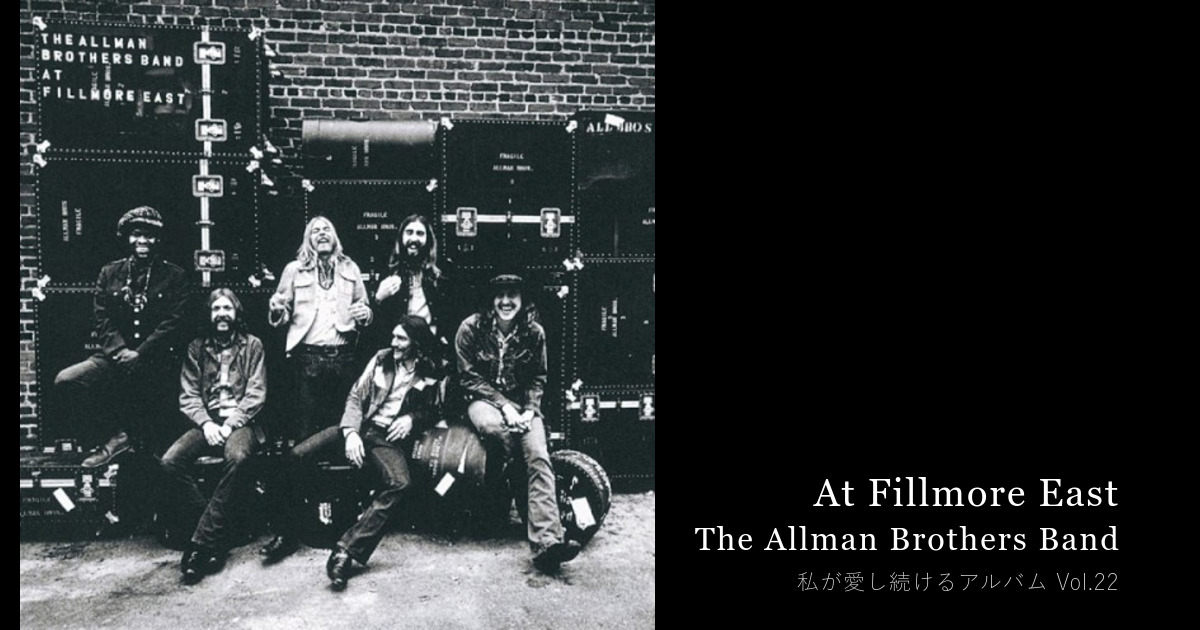
ぼちぼちいこか。でも At Fillmore East だけは、今も特別や — Yoshihiro Sasaki
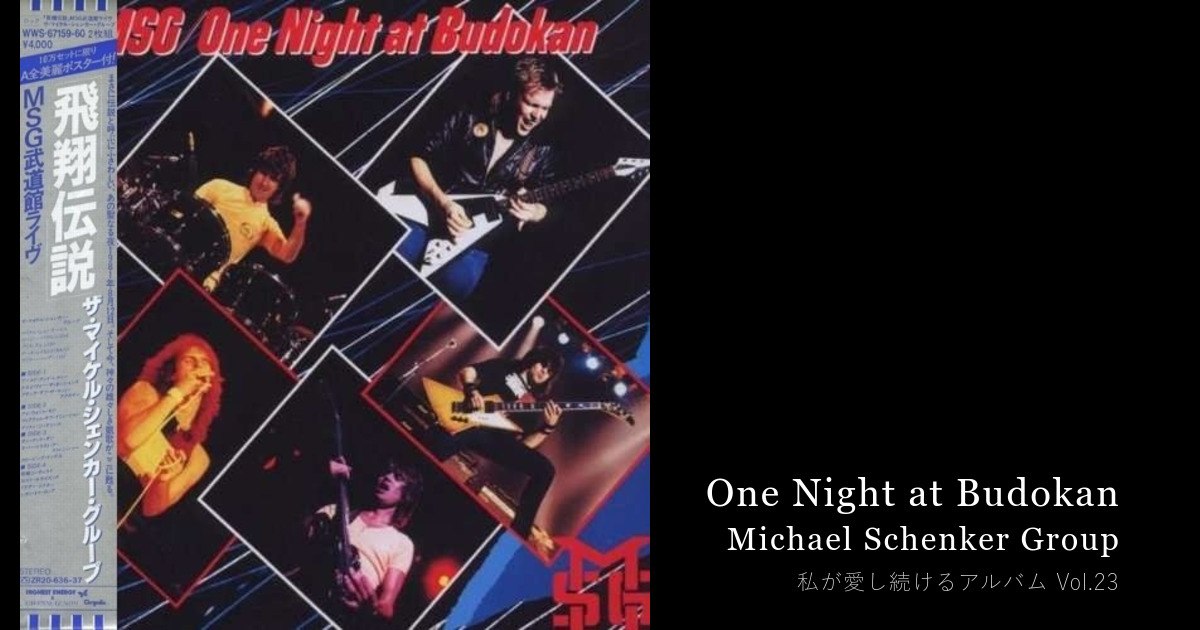
1981年8月の武道館は、今もあのアルバムの中にある — One Night at Budokan《Michael Schenker Group》 — Shinichi Karube