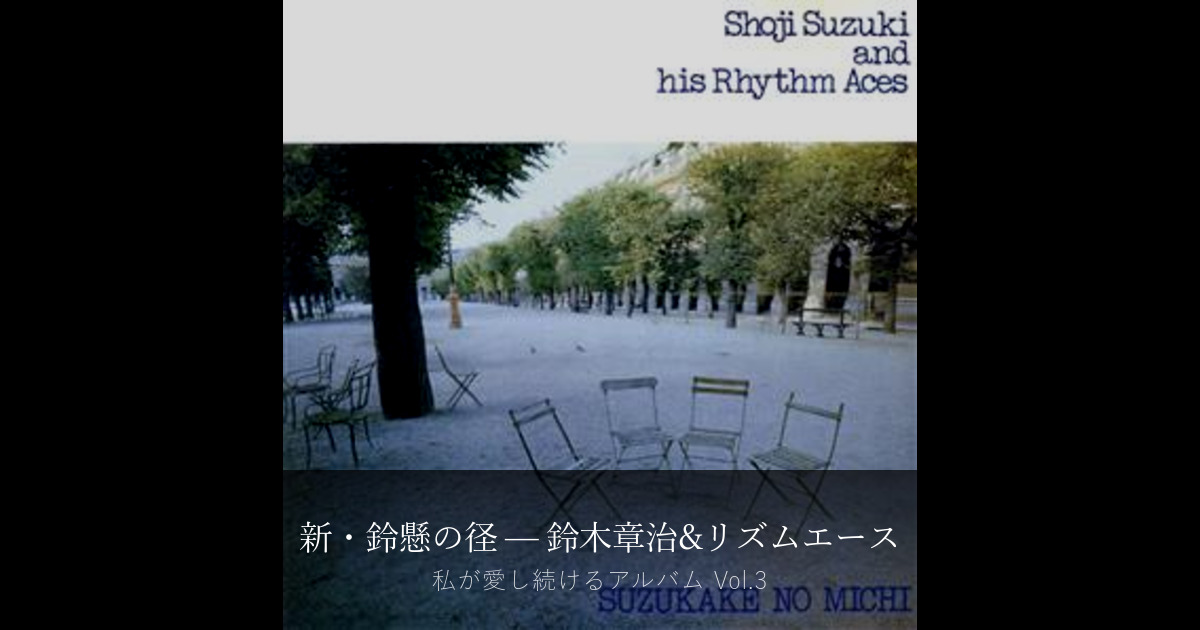
私が愛し続けるアルバム — 『新・鈴懸の径』鈴木章治&リズムエース - Hidetoshi Takada
目次
私が愛し続けるアルバム — 『新・鈴懸の径』鈴木章治&リズムエース。
Jazz Bar で出会った1枚
大学生の頃にアルバイトで Jazz Bar で働き始めたのがきっかけで、Jazz を聞き始めることになった。
そこで4年半程働いた後、自分で「My One」という Jazz Bar を開店。アルバイトの頃から少しづつレコードや CD を買い足していったので枚数的にもまあまあの数にはなった。それを営業時間中ずっと流しているのだから結構聴いている方だろうとは思っている。今も彼ら彼女らは部屋の結構なスペースを陣取っている。
そんな中で当時よくかけていた1枚が、この鈴木章治とリズムエースの『新・鈴懸の径』である。
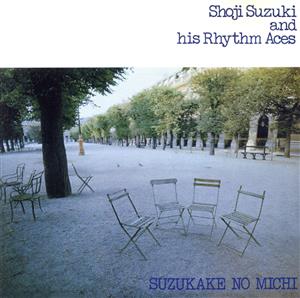
つい両面通しでかけてしまう
当時店でかける時は、A面かB面のどちらかだけで次のレコードにチェンジするのだが、これは両面とも大好きだったのでつい通しでかけてしまっていた。
まだ Jazz に馴染みのなかった当時でも、聴きやすくてすんなり入ってきたのが大きかったかもしれないが、クラリネットの響きは大好きで今でも好きなアルバム Top5 に挙げられるだろう。
ダブル・クラリネットの奇跡
このアルバムは、1957年、ベニーグッドマン楽団の一員として来日していたピーナッツ・ハッコーとのダブル・クラリネットで録音した「鈴懸の径」が大ヒット、その20年後にデジタル録音でハッコーのパートを末弟の鈴木正男が努めて再現したものである。
ライナーノーツには、いソノてルヲが解説を寄せている。
タイトル曲はもちろんだが、すべての曲の完成度が極めて高く、鈴木章治をして「あんな演奏は二度とできない」と言わしめたという。
即興性を重視する Jazz に於いては特に、あまり Take を重ねない方が良い — という場合ももちろんあると思うが、鈴木章治とリズムエースの場合は、息の合ったメンバーで、合わせる部分とアドリブの部分といった構成・アレンジなどしっかり作り込んだ高い完成度に魅力があると感じる。
Jazz の場合ギグ的な組み合わせで演奏されることが多いことからすると、これほど固定的なメンバーで長年活動されていたのは珍しい部類に入るのではないだろうか。
原曲から Jazz へ — 全く新しい輝き
さて、タイトル曲の『鈴懸の径』についてであるが、灰田勝彦の歌唱の戦時中のヒット曲である。作曲は灰田有紀彦(勝彦の兄)、作詞は佐伯孝夫で勝彦の母校の立教大学の鈴懸(プラタナス)の立ち並ぶこみちを題材にしたものである。
『鈴懸の径』の原曲はゆったりめの3拍子だが、ここでは4拍子になりそこに2本のクラリネットが絡み合うようにテーマとオブリのメロディが組み合わされて、絶妙のハーモニーを創り上げている。また叙情的ではあるがやや単調な印象とも感じる曲が、印象的なキメのフレーズが付きさらにスィングになることでスピード感・リズム感のある曲になり全く新しい輝きを放っている。さらに素晴らしいアドリブ演奏などの要素が加わって、"二度とできない"と言わしめる演奏となりこの曲を大ヒットさせる力を持つこととなったのだろうと想像している。
日本の曲と Jazz の融合
私がこの曲を聴く時に思うのは、戦時中の歌謡曲という純粋に日本の曲を鈴木章治のクラリネットの名演奏により大ヒットさせ一気に日本の Jazz のスタンダードの仲間入りをさせた、という点である。
えらく壮大な話で、私がどうこう言うようなことではないのだが…
Jazz がもっと大人気のジャンルにならないかなぁ、とつい思うことがある。そもそも Jazz は外国で生まれたものだということからあり、その地域でその時代で支持されてきた音楽の流れがある。そしていわゆる Jazz のスタンダードと言われるものの多くは、過去のポップスや映画音楽のカバーをして人気を博したものだったりする。
日本や日本人の音楽と Jazz をどう融合させていくのか…
日本の多くの人の心にある曲が Jazz というスタイルで表現され続けることは意義のあることだなぁと思うのである。
その意味での "お手本" の一つが間違いなくこの『鈴懸の径』であろう。現在では『鈴懸の径』と言えば Jazz の曲というイメージの方が強いのではないだろうか。
日本の曲に本気で向き合った男
鈴木章治は、この曲以外にも多くの日本の曲を取り上げてレコーディングしている。『荒城の月』(瀧廉太郎)『浜辺の歌』(李香蘭〜山口淑子)『宵待草』(竹久夢二)といった歌曲から『二人でお酒を』(梓みちよ)『再会』(松尾和子)のような歌謡曲、また自ら作曲した『祭りと子供』はドラムが和太鼓、クラリネットが御囃子のイメージで、40周年記念コンサートの最後の曲でジョージ川口のドラムで演奏している。
これほど日本の曲を取り上げている Jazz ミュージシャンは少ないのではないかと思う。
彼が日本人の心の底にある曲に Jazz ミュージシャンとして本気で向き合っていたということであり、『鈴懸の径』もそうした想いの中から生み出されたものに違いない、と思うのである。
もっと日本の Jazz が盛り上がってほしい
今後も多くの演奏者により、ポップス系ロック系にかかわらず、古い新しいにかかわらず、日本の曲を Jazz 的アプローチで表現して貰えることを期待している。
とにかくもっともっと日本の Jazz が盛り上がってほしいものである。
編集後記
高田英敏さん(愛称:だいちゃん)は、私(ナミオ)が20代の頃、松山の Jazz Bar「Sus4」でアルバイトをしていた時の店長だ。深夜になると近くのクラブの演奏者の方々が休みに来て、色々な話をしてくれる。そんな濃くて淡い想い出の時代を共にした一人である。
その後だいちゃんは自分の店「My One」を開き、ピザ店・イタリアンレストラン・居酒屋・ラーメン店にネット通販と、飲食業界で40年。ジャンルにこだわらず幅広く音楽を聴き続け、音楽は「精神安定剤みたいなもの」だと言う。
A面もB面も通しでかけてしまう。そういうアルバムに出会えることが、音楽を聴く人生の醍醐味だと思う。だいちゃんにとっての『新・鈴懸の径』は、まさにそういう1枚だ。
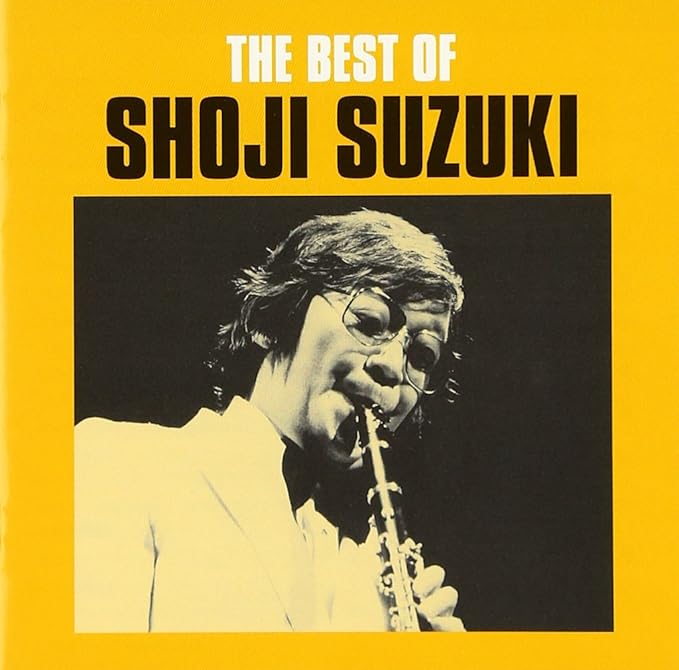
※ 『新・鈴懸の径』鈴木章治&リズムエースは、現在 Album Sweet にアルバム情報がございません。鈴木章治の作品としては、下記ベスト盤をご紹介いたします。
書き手


Album Sweet コラム
71才の人生で一番好きだったアーティストは、やっぱりジミヘン - Kenji Fukuoka

どんなバンドでも代替がきくのに、Steely Dan だけは唯一無二 - Mikiya Kato
読んでいます私が愛し続けるアルバム — 『新・鈴懸の径』鈴木章治&リズムエース - Hidetoshi Takada
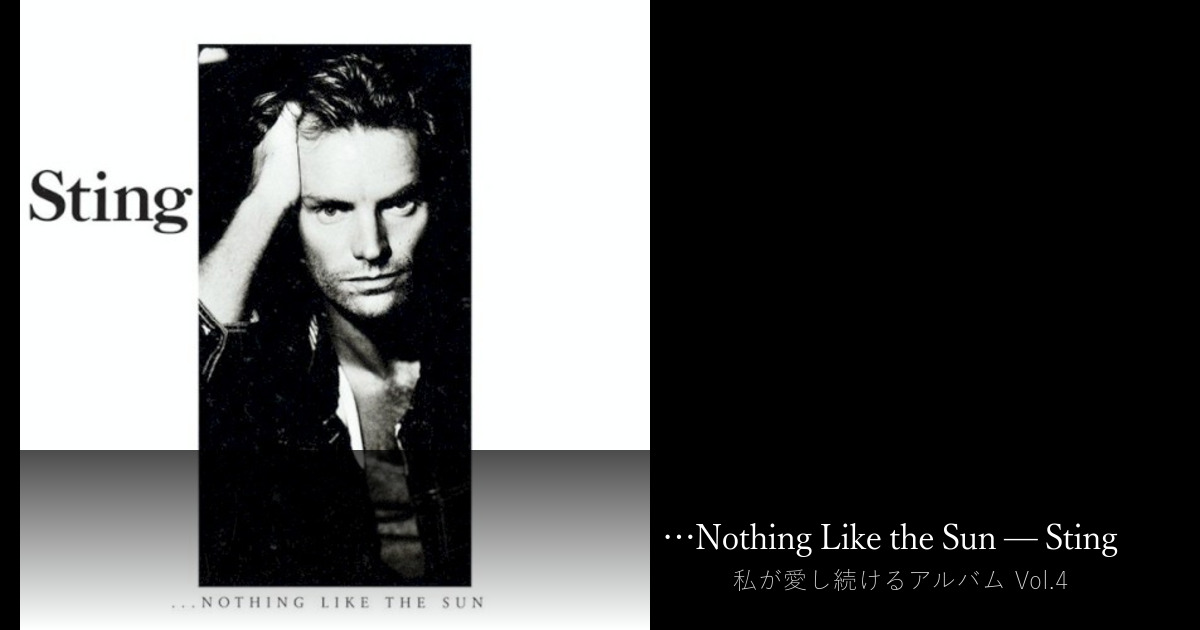
練馬の夜、酒とスティング — Masayuki Hamaoka
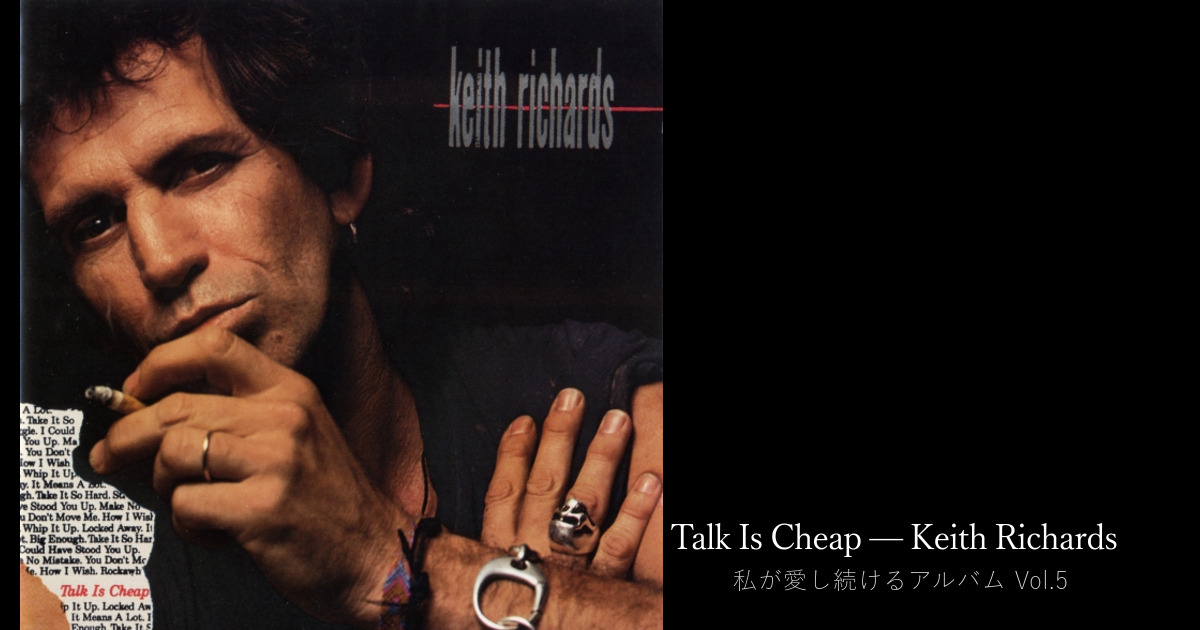
ブーツィの「ンペッ、ンペッ」に踊り狂った日 — Katsuhiko Sakaguchi
洋楽への扉を開いてくれたアルバム — Masato Ikegawa
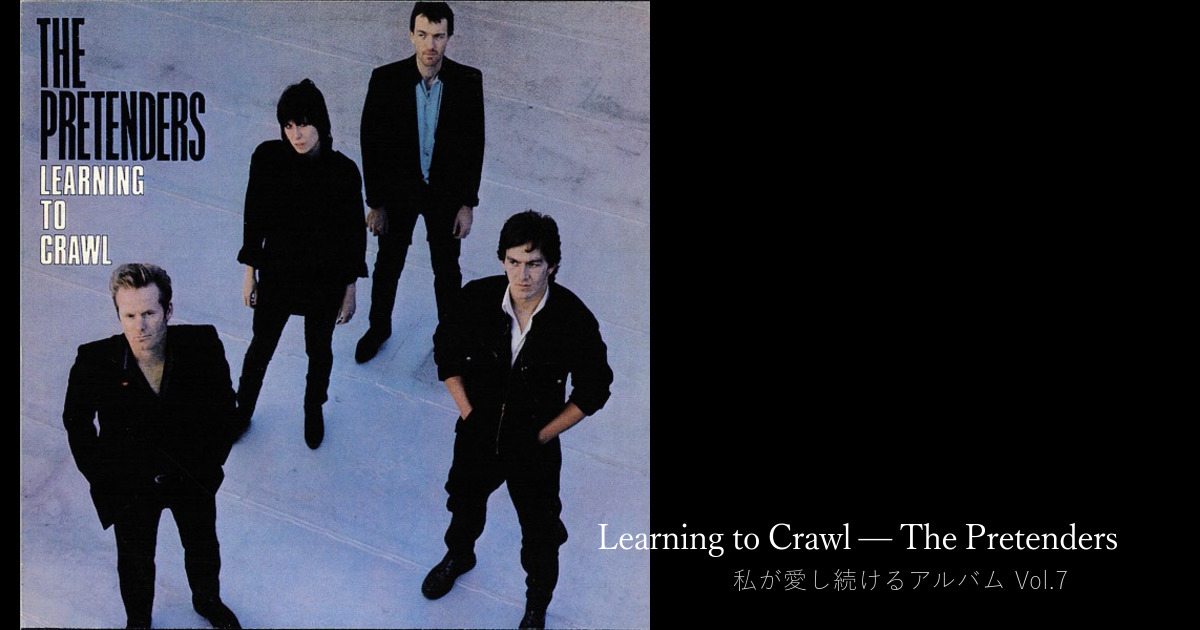
アルバムジャケットは人生の圧縮ファイル — Mitsuhiro Nakano

一生、マイケルエンザでいい — Waka Agata
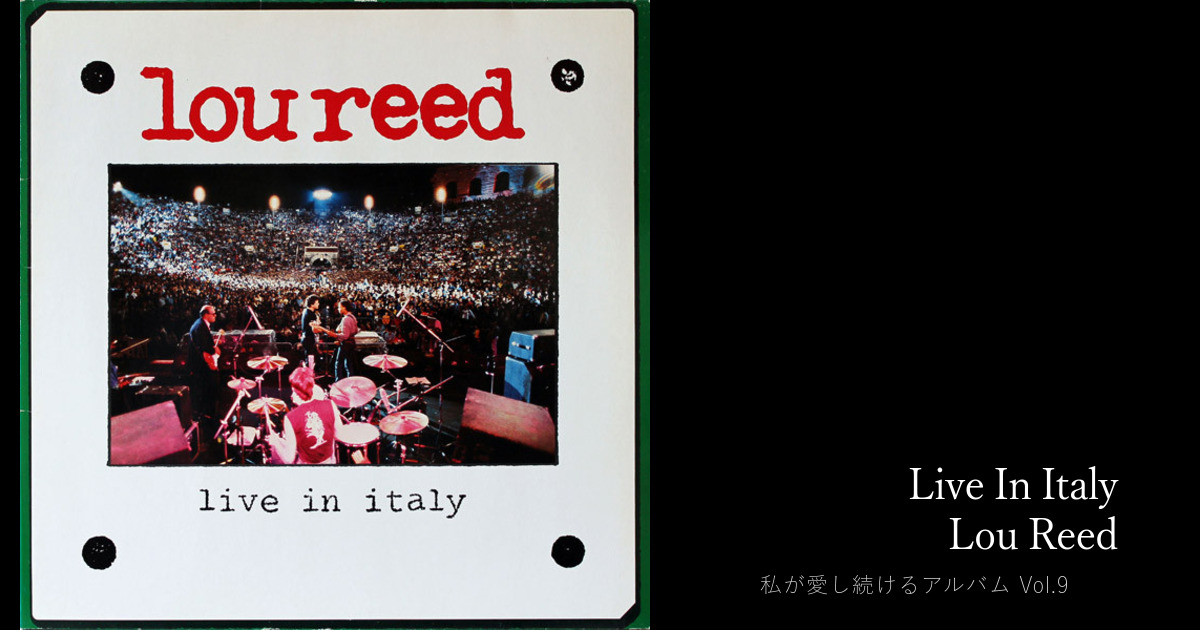
Lou Reed『Live In Italy』〜変わらぬ「無人島の1枚」 — Tetsuya Takeda
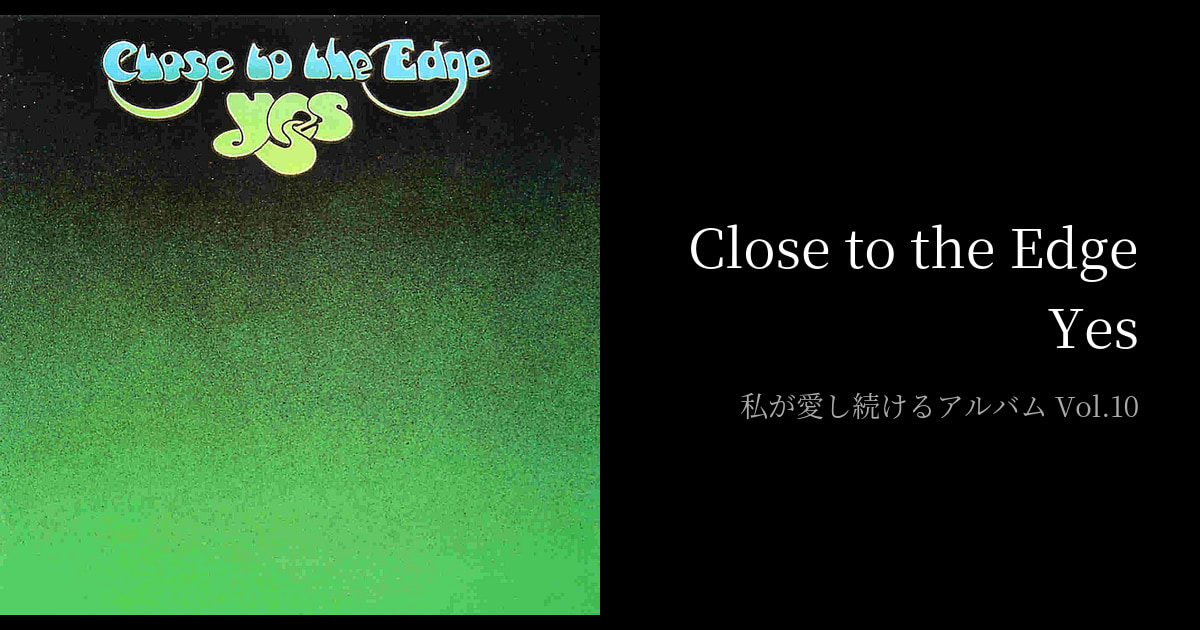
Yes『Close to the Edge』〜天井のロジャー・ディーンと畳二畳の夜 — Bobby (得能さとる)

アビーロードの 3 日後に生まれた僕と、Let It Be — Masayuki Hamaoka
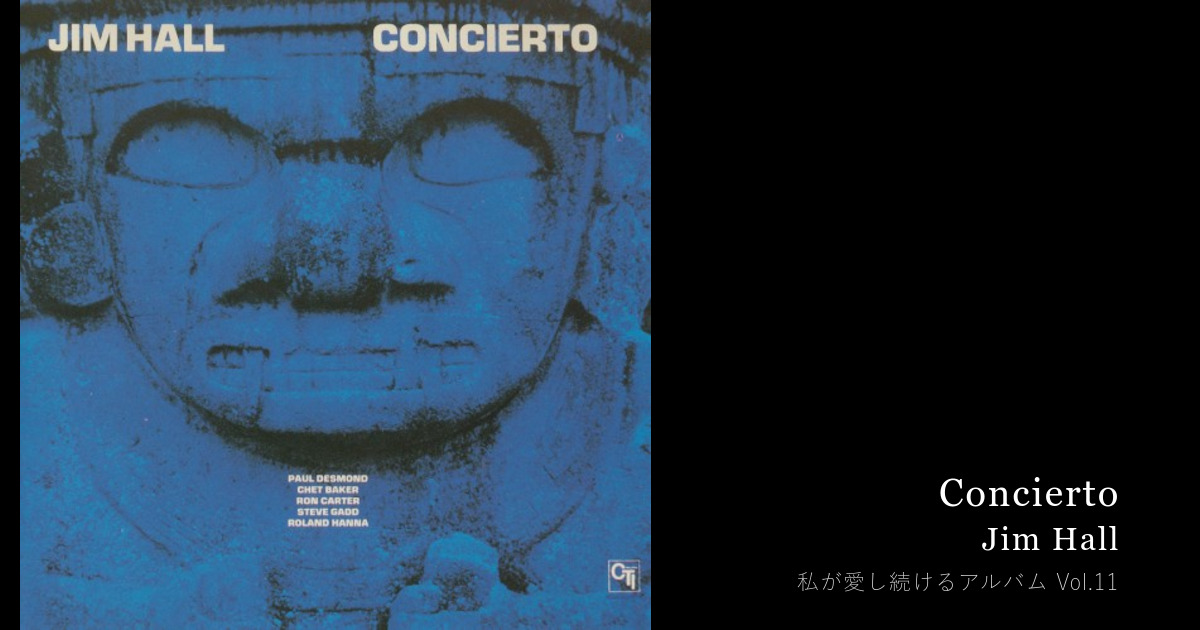
「松山のギターマスターが、70 年聴き続けている一枚」 — Fumio Takeichi

ヤバい世界に 50 年、Queen II — Yoko Sugihara
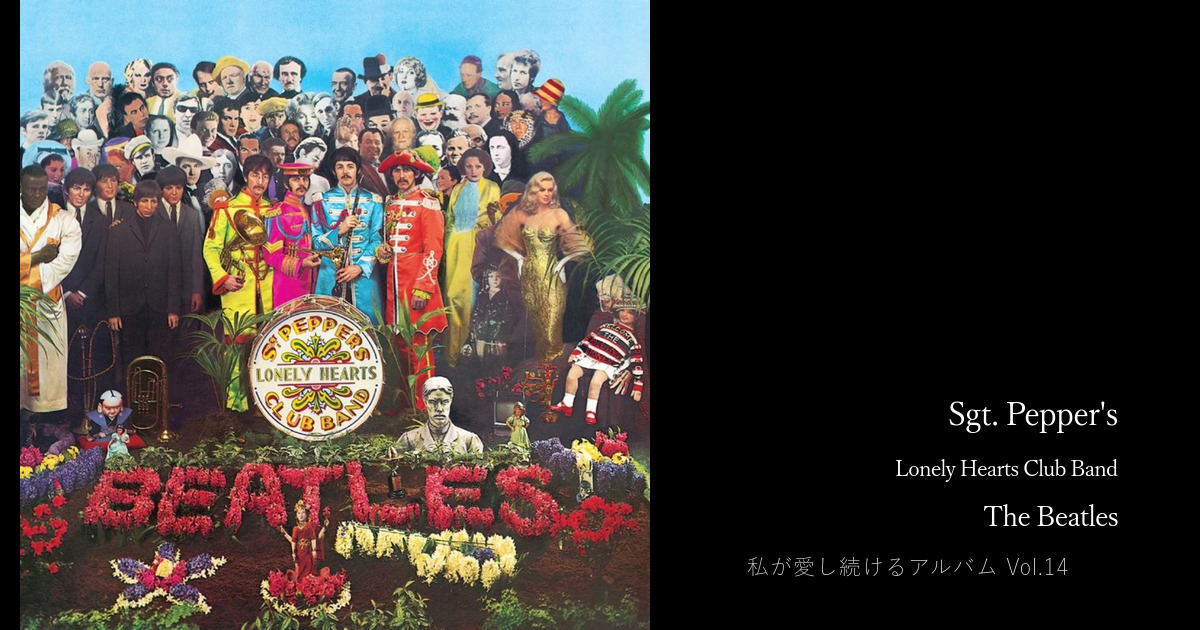
僕が買った 3 枚の Sgt. Pepper's Lonely Hearts Club Band — Masumi Usui
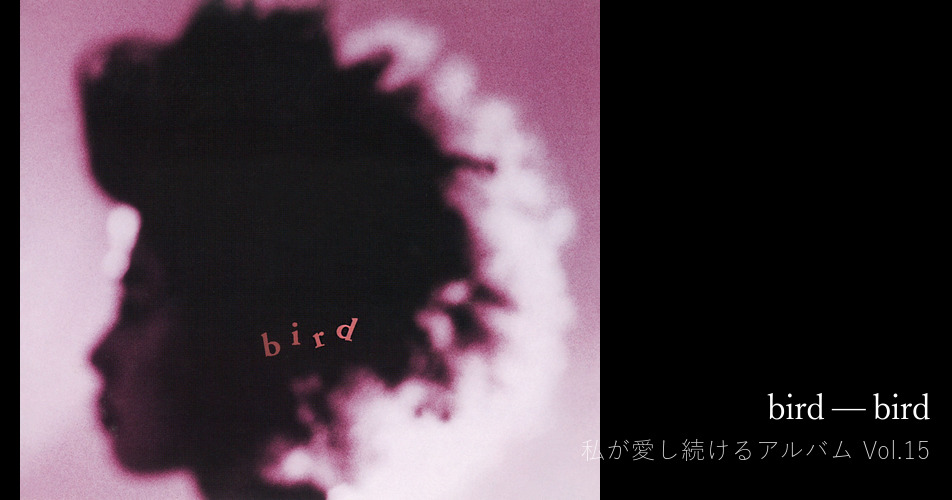
14歳の私に大人っぽさを教えてくれたbird『bird』 — Koutaro Kai

ジンとくる。ジワッとくる。——Bob Marley & The Wailers との出会い — Kazuo Nara

少年期に焼きついた、特別の一枚 — Captain Beyond《Captain Beyond》 — Kouji Shigematsu
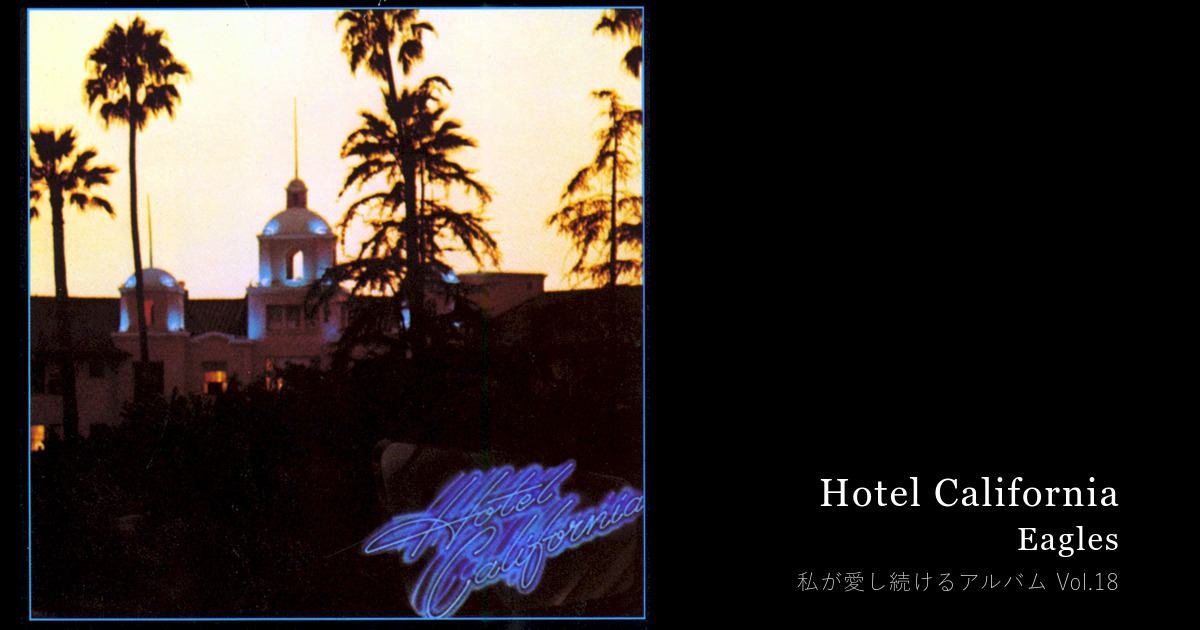
兄のレコードに針を落とした夜、初めて知った『大人の音楽』 — Hotel California — Hiroshi Kozai
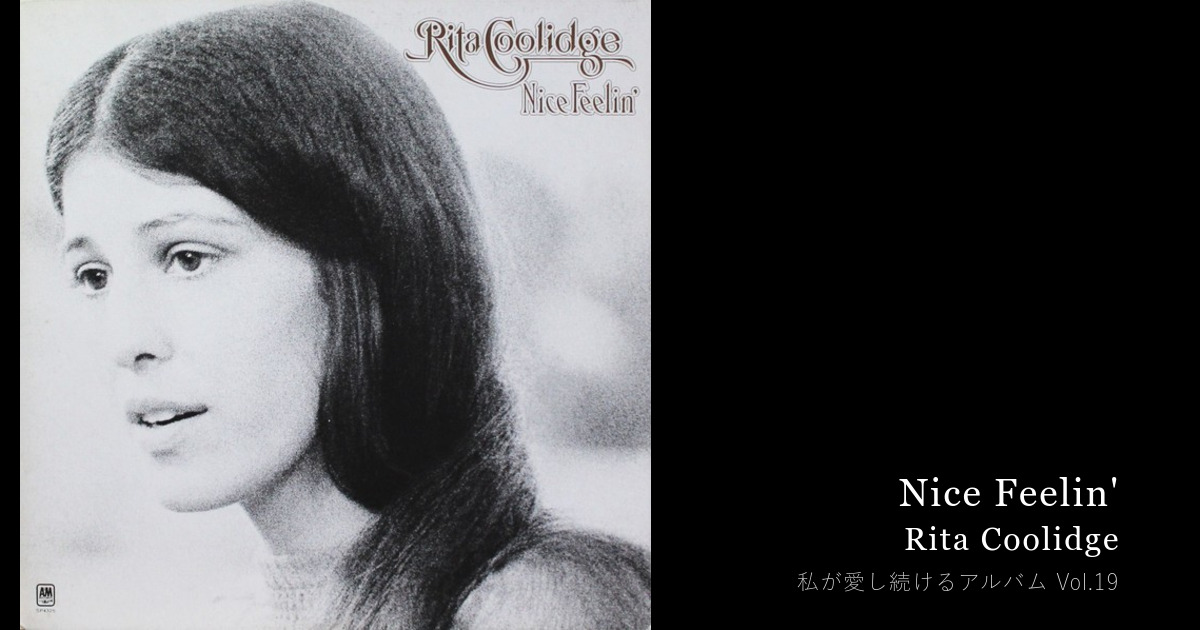
珠玉のポップ・ヴォーカルをあなたにも — Nice Feelin’《Rita Coolidge》 — Makoto Kato

段ボール数箱の整理で、手放さなかった一枚 — Without a Net《Grateful Dead》 — Takuya Miyazaki

思い出のLPレコード — Help!《The Beatles》 — Kazuhiro Miura
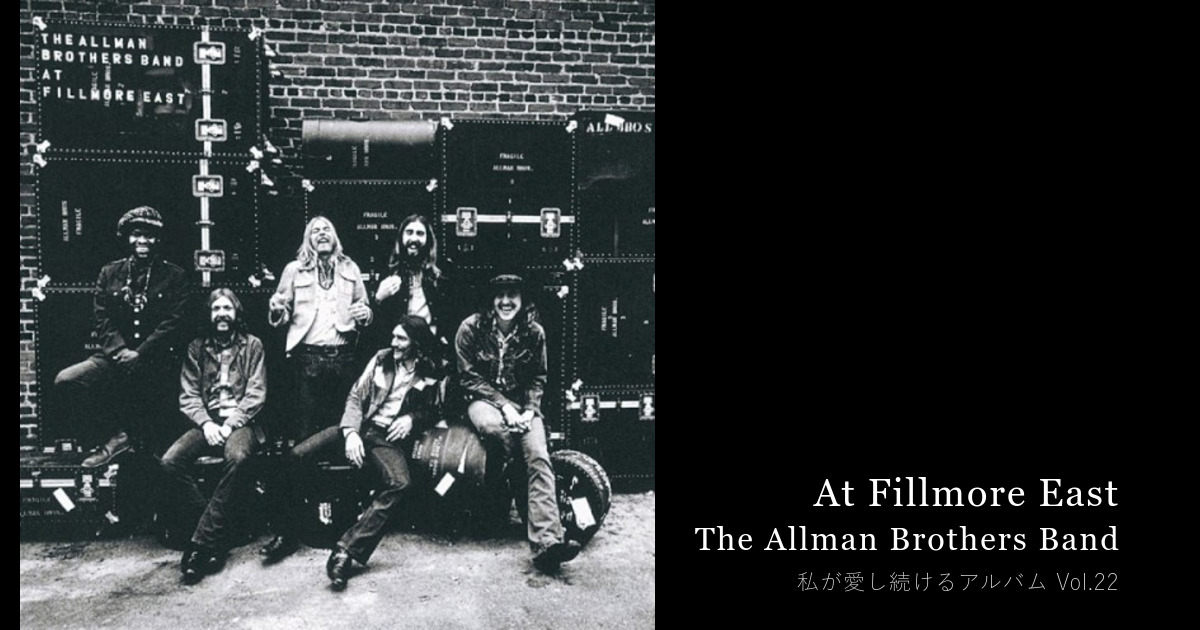
ぼちぼちいこか。でも At Fillmore East だけは、今も特別や — Yoshihiro Sasaki
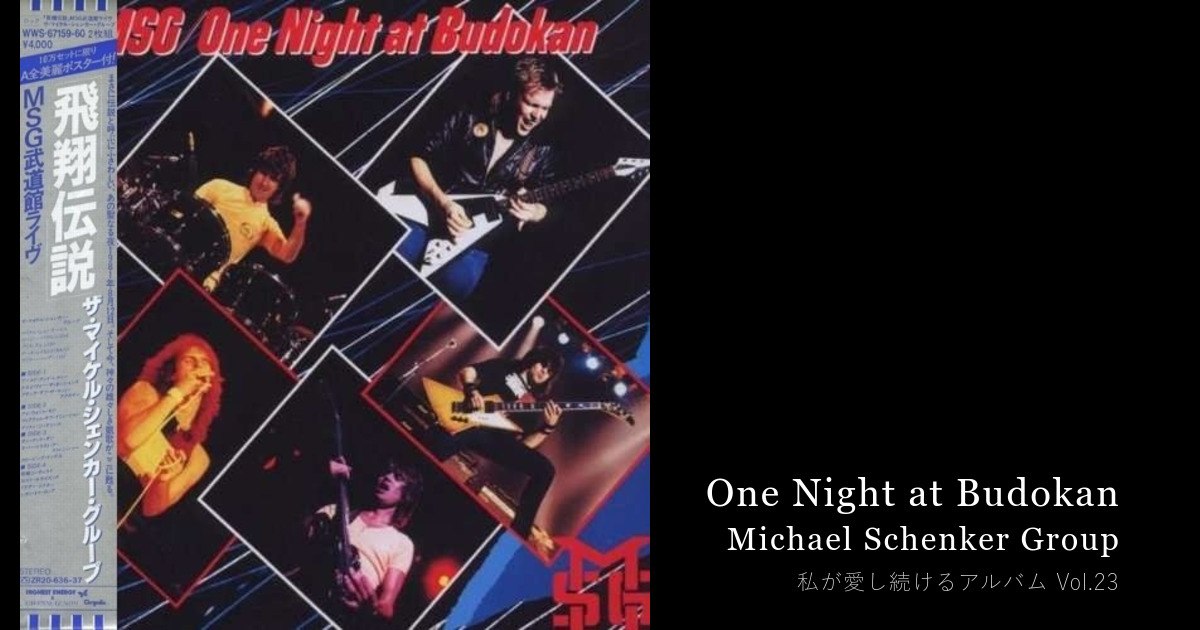
1981年8月の武道館は、今もあのアルバムの中にある — One Night at Budokan《Michael Schenker Group》 — Shinichi Karube